Plan a food-focused Ireland vacation around a small number of regions, a mix of markets and meals, and enough unreserved time to notice what is actually available. Start with the experiences your party wants: meeting producers, learning a skill, eating a particular style of food or simply having good everyday meals. Then choose bases and travel days that let those experiences fit comfortably.
A food trip does not need an expensive tasting menu every night. It can include a bakery breakfast, a thoughtful market visit, a picnic assembled with care and one meal you look forward to all day. The planning task is to connect food with the place and the people traveling, while checking practical details such as opening days, dietary requirements, transport and cancellation terms.
Define what makes a meal meaningful to you
Ask each traveler to name one food experience they would enjoy and one thing that would make the trip difficult. The answers may be very different. One person might want a hands-on class, another an informal lunch without a long menu, and another reliable choices that meet a specific dietary requirement. Write these down before compiling a restaurant list.
Turn the answers into three priorities for the whole journey. For example: learn about a regional product, visit a working market and have one relaxed celebratory dinner. Those priorities create variety without asking every meal to be an event. They also give you a way to reject an attractive detour if it consumes time needed for something the group values more.
Be precise about what you mean by local. You may want ingredients produced nearby, a business rooted in the community, a regional recipe, contemporary Irish cooking or a conversation with someone who makes the food. These are related ideas, but a place can satisfy one without satisfying all of them. Ask the question that reflects your actual interest rather than relying on an appealing label.
Choose a region before you choose a string of reservations
Map your strongest interests together and look for a base with several useful choices. A cluster is easier to enjoy than a sequence of isolated meals connected by long transfers. If you have a short trip, one city and a nearby rural or coastal stay may give enough contrast. Additional regions should earn their place through a distinct experience, not a desire to collect county names.
Cork city offers one concrete starting point: its English Market. Tourism Ireland describes the market as a place to explore produce and assemble a light lunch or picnic. Use that idea as a modest part of a stay, then investigate the vendors and arrangements that interest you. It is not a substitute for planning the rest of your meals or confirming individual businesses.
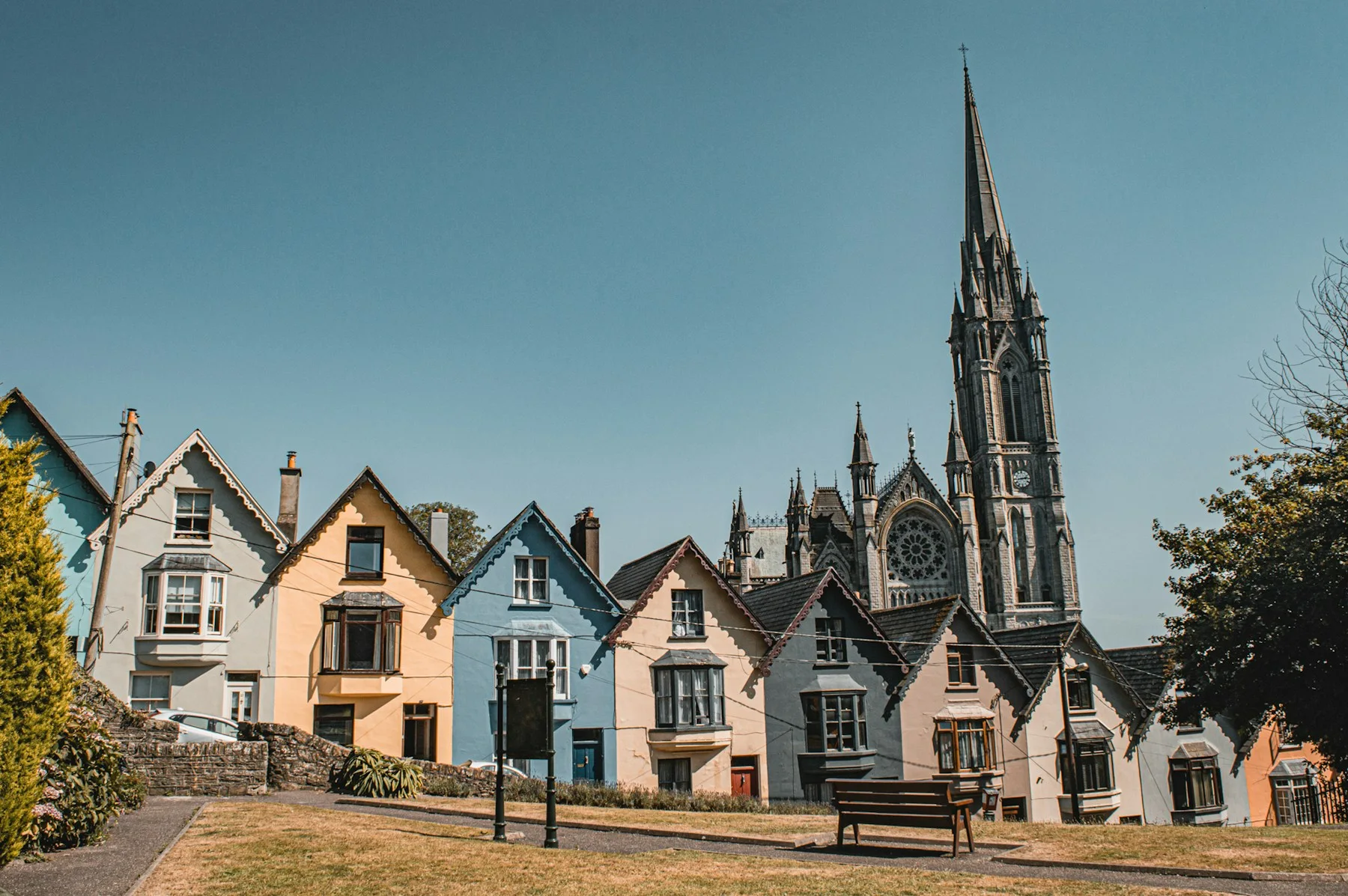
Compare the city with the wider county carefully. A food experience in a harbour town is not automatically convenient to a city-center hotel. Our Cobh and County Cork guide helps separate a city visit from a broader county itinerary. The same principle applies elsewhere: a county-sized recommendation still needs a specific place, date and way of getting there.
Use markets as places to learn as well as buy
A market visit works best when you arrive with a manageable purpose. You might assemble lunch, compare two products or ask how an ingredient is usually used. Browse first, keep circulation clear and ask before photographing a stall or its staff. Make purchases that you can actually use rather than accumulating perishable souvenirs without storage or a plan for eating them.
Bord Bia’s food-market information emphasizes the connection between shoppers and producers and recommends checking directly for changes to market days or times. That last check matters: a saved listing can be useful for discovery without being a reliable appointment. Put the market’s own current contact or event page beside the idea in your itinerary.
Check the nature of the market too. Teagasc outlines several market types, including municipal, community and event settings. You do not need to classify every stall, but it helps to understand whether you are visiting a regular shopping place, a seasonal event or a curated visitor experience. Each creates different expectations about crowds, demonstrations and how long to stay.
Check the opening day before arranging the whole route
Arrange fixed-date experiences first, then fill the spaces around them. A class operating on one day can influence which nights you spend in a region. A market closure can make a different morning more sensible. Do these checks before buying several dependent reservations, especially where accommodation or transport changes would be expensive.
For example, the Cork City Council English Market page currently lists Sunday and bank-holiday closures. Recheck the current page before travel, and do not use a general tourism description to assume that an individual trader will be open whenever the building is. Small differences in timing can change a food plan without making the destination itself unsuitable.
Keep a short booking record for every anchor experience: date, exact location, start time, what is included, number of guests, dietary correspondence, payment state and cancellation terms. “Emailed about a table” belongs in the requested column. Move it to confirmed only when the responsible business actually confirms it.
Balance reserved meals with ordinary appetite
Build the day around how much people want to eat, not the number of recommendations you have saved. A substantial hotel breakfast, a long tasting lunch and a multi-course dinner may be more food than the party enjoys. Put a lighter interval between substantial meals, and make water, rest and a comfortable place to sit part of the day’s design.
Think in contrasts. After a structured meal, an informal café or a self-chosen market lunch may be more appealing than another lengthy presentation. After several days of deciding where to eat, returning to a place that suits your needs can be welcome. Familiarity is not a planning failure, and every meal does not need to produce a new story for the trip diary.
Leave a sensible way out of optional plans. If the group has had enough food after lunch, an unbooked afternoon tasting should remain optional. If a particular meal is the reason for visiting, protect the appetite and energy needed to enjoy it. A food itinerary is a set of human days, not a list of tables to be occupied.
Handle dietary and access requirements before committing
Explain the actual requirement to the responsible business and ask for a clear response. A dietary preference, an ingredient avoidance and an allergy can require different arrangements. Do not rely on photographs of old menus or a review from someone with a different need. If a requirement is essential, resolve it before paying for an experience whose format cannot easily be changed.
Ask what will happen on the specific visit: whether the menu is fixed, whether substitutions are possible, who receives the information and how you should confirm it when arriving. A reply that says only “we cater for everyone” may need a more specific follow-up. The business must answer questions about its food handling; this guide does not establish that a particular meal is suitable for any medical need.
Access questions should cover the whole experience, including arrival, seating, toilets and the route used during a tour or class. A restaurant’s dining room may differ from a production space, farmyard or upstairs demonstration area. Use our Ireland accessibility question guide to make these practical needs visible while you still have a choice of arrangements.
Separate enjoying a drink from solving the journey home
Before booking a drinks-led experience, decide how everyone will reach it and return. Do not leave the decision until after the tasting. The responsible provider can explain its visitor arrangements, but you still need to verify the actual transport available for your party, date and location. A rural taxi suggestion is not a reservation.
If a member of the party does not drink, ask how the experience works for them. They may enjoy the setting and interpretation, or they may prefer another activity with a clear meeting point afterward. Avoid treating the non-drinker as the automatic driver or assuming that an alcohol-centered itinerary is equally rewarding for everybody.
Compare a food tour’s meeting point and finish location, not just its duration. A convenient starting point can end somewhere less convenient for the next reservation. Our private-driver versus self-drive comparison can help you consider who is responsible for transport throughout the day. Choose the arrangement for the complete experience rather than for one appealing stop.
A workable three-day food stay: a planning example
Imagine two adults making Cork city the base for a hypothetical three-night food stay. Their first priority is a market visit, their second is a confirmed class, and their third is an unhurried dinner together. They choose dates after checking the class and market, then book accommodation that makes ordinary meals and the required journeys practical.
On the arrival day they keep lunch and dinner flexible, avoiding a prepaid event dependent on a flight arriving exactly on time. The next morning is for the market and a modest lunch assembled around what they find. The afternoon has a non-food interest and a rest before the reserved dinner. They do not add an extra tasting just because it fits a blank space on the calendar.
The following day centers on the class, including the journey, arrival and whatever food is part of it. Dinner stays simple. If the class includes a substantial meal, they adjust the evening rather than eating according to an old plan. This example deliberately names no provider or timetable: its value is the sequence of decisions, which you can apply to an experience you have actually confirmed.
Make a budget that reflects the whole experience
Separate everyday meals from special experiences. In a planning worksheet, record the cost basis for each: per person, per party, per class or per room including breakfast. Check whether an advertised package includes drinks, transport, service, equipment or an additional booking charge. Currency should be explicit, particularly if the trip includes both the Republic of Ireland and Northern Ireland.
Count the practical costs that make an experience possible. A rural dinner can involve transport both ways, and an early class may influence the previous night’s accommodation. A picnic may need a suitable place to eat and a way to keep purchases appropriately stored. These are planning considerations to investigate, not a reason to invent a standard daily food price for every traveler.
Use the Ireland trip budget calculator with your own current quotes and estimates. The tool labels the currency without converting it or supplying market prices. For a fuller framework, read how to budget for an Ireland vacation, then give the meals you most value enough room in the figures.
Bring food memories home thoughtfully
Keep a record of a product’s name, maker and the way you enjoyed it. A photograph of a label, taken with permission where needed, can be more useful than a vague recollection. If a producer recommends a preparation method, note it in your own words and distinguish that conversation from a claim that every household uses the ingredient the same way.
Before buying food for the journey home, check your destination’s current import restrictions and your carrier’s baggage arrangements. Ask about storage and use-by information rather than assuming a sealed package solves every practical issue. If you cannot verify that the purchase can travel appropriately, choose something to enjoy during the stay or a non-food reminder instead.
Share recommendations with context when you return: what you booked, when you visited and why the format suited you. A thoughtful description gives another traveler a starting point while making clear that menus, people and arrangements can change. It is more useful than declaring that one visit established the best restaurant, market or food experience in Ireland.
Questions to answer before the trip is booked
How many restaurant reservations should a food trip have?
Reserve the meals or experiences that are important enough to shape the route, then leave flexibility around them. The right number depends on the party’s appetite, dates and needs. A short trip with one important class and one special dinner may feel more satisfying than several consecutive long meals.
Can a food-focused vacation work without alcohol?
Yes. Markets, bakeries, cooking, produce and meals can supply the focus. Where a particular experience is built around alcohol, ask about alternatives and decide whether the format still interests you. Choose the trip around the travelers rather than treating drinking as a requirement for participating.
Should I travel across Ireland for one famous meal?
First calculate what the detour changes: transport, accommodation, other priorities and the consequences of cancellation. It may be worthwhile if the meal is a major personal goal and confirmed. It may be less useful than an experience nearer your chosen base. A place can be excellent without being the right fit for this itinerary.
Turn your food priorities into an Ireland route
Write down three food interests, one suitable base and the details still awaiting confirmation. Start a flexible outline in the Ireland trip planner and explore our food and culture experience ideas. Give each day a purpose and enough appetite to enjoy it, while leaving room for the small discovery you did not reserve in advance.
Sources & review notes
Source access: 26 October 2026. Human editorial review: pending. Recheck schedules, access, policies and costs directly before booking.
- Tourism Ireland · English Market as a Cork city food and produce example. Recheck before travel
- Cork City Council · Current Sunday and bank-holiday closure information; recheck before travel. Recheck before travel
- Bord Bia · Producer/consumer connection and recommendation to confirm current market arrangements. Recheck before travel
- Teagasc · Markets differ in their municipal, community and event organization.
A journey that feels like you.
Keep the places that matter, leave time to explore, and build your own Ireland plan.
Start your trip plan