A satisfying seven-day Ireland itinerary needs a clear shape and a limited number of bases. This example uses Dublin and Galway, with a final night positioned for departure from Dublin. It gives the city and the west their own time, treats transfer days honestly and leaves a weather-flexible day rather than trying to include every famous landscape on the island.
This is an illustrative planning route, not a bookable package or a transport timetable. It assumes seven calendar days, six accommodation nights, arrival into Dublin early enough for a gentle first day and departure from Dublin on day seven. If your flights, accessibility requirements or interests differ, change the route before making reservations.
The route at a glance
| Day | Main purpose | Overnight |
|---|---|---|
| 1 | Arrive and settle into Dublin | Dublin |
| 2 | A focused Dublin day | Dublin |
| 3 | Transfer to Galway and get oriented | Galway |
| 4 | Galway city and your own interests | Galway |
| 5 | One regional outing or a quieter local day | Galway |
| 6 | Return toward Dublin with a generous buffer | Dublin area suited to departure |
| 7 | Departure | No night included |
The six nights are accounted for explicitly. You are not expected to arrive, complete a major sightseeing day and travel across the island on the same date. There is also no long west-to-airport transfer scheduled on the morning of an early flight. If you have seven nights rather than six, use the additional night where it reduces a practical pressure.
Who this week suits, and when to change it
This route suits a first-time visitor who wants a city introduction, a western base and a mixture of cultural and landscape interests. It can be adapted for rail and coach travel, self-drive or private transfers, although the regional outing on day five needs its own transport arrangement. It does not assume that every traveler wants strenuous walking.
Choose a different shape if a confirmed family-history location, a golf booking, a wedding or a particular attraction is the main reason for traveling. A week focused on Cork and the south, or Belfast and part of the Antrim coast, may better match those interests. Do not bolt a distant priority onto this route and expect the same pace.
Read the first-trip planning guide before choosing your flights and bases. The important principle is the allocation of time, not the idea that Dublin and Galway are mandatory ingredients in a first visit.
Day one: arrive with a deliberately small plan
After arriving in Dublin, get to your accommodation or an agreed luggage-storage point and take stock. Confirm the check-in arrangement before traveling. If you have crossed time zones overnight, allow a meal and rest before deciding how much activity feels comfortable. A light first day gives the rest of the week a more reliable beginning.
Choose a short walk near your base, with a café or an easy indoor option. The purpose is orientation: understand the neighborhood, locate a convenient meal and become comfortable with the journey back. Avoid making the whole day dependent on a timed reservation that would be difficult to change after a delayed flight.
If using public transport from the airport, check the current service, stop location and final walking distance with luggage. If taking a private transfer, agree the meeting process and what happens if the flight is delayed. If collecting a car, think carefully about whether you need it while staying in the city and whether driving immediately after the flight is appropriate for you.
A useful first-evening decision
Choose dinner for convenience rather than novelty. Confirm food service if you expect to arrive late, and keep a backup. If part of the group wants an early night, make that easy. There will be better opportunities for a longer cultural evening once everybody has recovered from the journey.
Day two: give Dublin one clear focus
Pick a main interest for the morning: a museum, a literary visit, a historical subject or a guided introduction. Check current opening and booking conditions directly with the venue. Give the visit enough time to be worthwhile instead of placing two distant reservations around it.
Plan lunch near the morning activity, then keep the afternoon lighter. A neighborhood walk, a park or another short visit can work as an option. If the weather is poor, shorten the outdoor section. If the first activity holds your interest, use the flexibility to stay longer rather than leaving simply to protect an arbitrary list.
For a heritage-focused traveler, a confirmed research appointment could be the anchor instead. Prepare the question and source references before arrival. An archive visit is not a substitute for identifying what the repository holds, and the rest of the group may prefer a different nearby activity. Arrange a reunion point that does not depend on a research session finishing to the minute.
Use the Dublin hub to think about base choice and practical access. The city is your destination for this day; there is no need to add a distant outing to make the schedule feel complete.
Day three: make the move to Galway the main event
Check out, travel to your departure point and move to Galway. Reserve a substantial part of the day for the entire process, including luggage, waiting, the journey and the final transfer to your accommodation. Confirm current rail or coach services with the operator rather than relying on an old screenshot or a generic duration.
If driving, use a current route planner and allow breaks. Decide whether a stop en route genuinely adds value. A substantial attraction can turn a straightforward move into a long day, especially when you then need to find parking and check in. It is reasonable to keep the journey simple.
After arriving, get oriented around the base. Find a comfortable dinner option and understand any return route you will use at night. A short city walk is an option, not a requirement. Keep your evening open enough to adjust to the actual arrival time and the group’s energy.
For travelers with access requirements, confirm both ends of the transport leg. The train or coach itself, the station or stop, the route to accommodation and the room access are separate questions. TFI’s accessibility guidance can help you identify the right planning resources and assistance process.
Day four: enjoy the place you chose as a base
Give Galway city its own day before using it as a launch point for the surrounding county. Build a morning around an interest such as food, local history, a cultural visit or simply exploring on foot. Keep the area compact enough that you spend more time engaged than moving between stops.
A longer lunch and an open afternoon suit different travelers well. One person might choose a further walk while another rests. Families can make a shared decision about a short activity and leave a clear stopping point. Staying in one base makes these differences easier to accommodate.
If traditional music is part of the evening, check current arrangements locally and directly with the venue. Do not assume that every night follows the same format or that a session is an invitation to join in. Listen, respect the musicians and ask before recording. Consider the journey home and any age or food-service conditions before deciding the evening is suitable for everybody.
The Galway hub distinguishes city planning from the wider county. A city day is valuable in its own right. It also creates a useful buffer if tomorrow’s weather or a regional service requires a change.
Day five: choose one excursion, with a real alternative
Choose a single regional focus. Connemara, an island journey or a selected Clare outing are different propositions with different transport needs. Investigate the complete day before choosing one, including the start, the time at the destination and the return. Do not combine several simply because they appear near Galway on a small map.
For Connemara, choose a manageable area and a few meaningful stops. A garden or heritage visit, a short confirmed walk and a meal can make a coherent day without covering every road. If choosing an organized outing, inspect the actual stop lengths and access arrangements. A route description alone does not tell you how much time will be spent outside the vehicle.
For an island visit, confirm the particular departure point, transfer connections, sailing arrangements and weather policy with the responsible operators. Keep your expectations flexible. The route should not depend on a boat operating regardless of conditions, and a canceled crossing should have a workable alternative that does not require a frantic search for another major excursion.
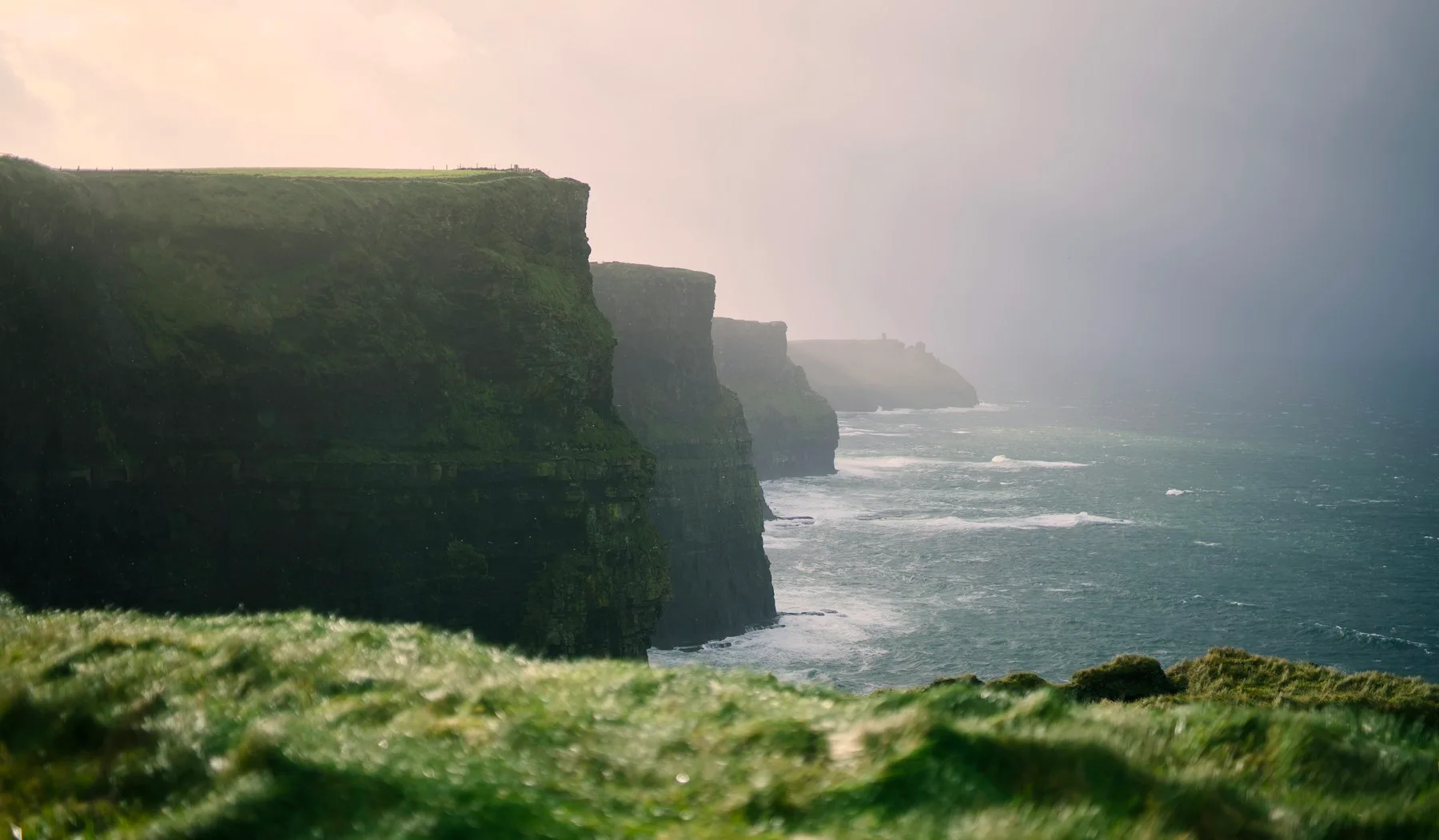
If Clare is your priority, compare whether a Clare base would serve you better than a long day from Galway. The County Clare guide can help frame the choice. Check current cliff-path and attraction access directly. A scenic photograph cannot establish that a path is open or appropriate for your party.
The quieter alternative is part of the itinerary
Plan a local day you would actually enjoy: a short cultural visit, a good meal and time close to the base. It should feel like a choice with value, rather than a punishment for poor weather. If the group is tired, that option may be better even on a clear day.
Day six: return with enough room for the unexpected
Return toward Dublin on a confirmed route, keeping the transfer as the day’s main anchor. Recheck the service and departure location. If self-driving, leave time for the actual road journey, breaks and any rental return arrangements. Avoid a final major detour that makes the evening’s arrival uncertain.
Choose the final night according to your flight. A city base can suit a later departure and a comfortable final evening; accommodation with a practical airport transfer can make more sense for an early flight. “Near the airport” is not enough information. Check the transfer hours, luggage process and whether any shuttle you intend to use actually operates when you need it.
Use the evening to organize confirmations and the next morning’s essentials. If you are returning a car, distinguish the rental return location from the terminal and allow the provider’s required process. If using a transfer, reconfirm collection instructions and a contact method. A calm departure begins the night before.
Day seven: let departure be departure
Follow the airline’s current check-in and luggage guidance and leave an appropriate transfer buffer. This itinerary assumes no major sightseeing on the final day. A later flight may leave some free time, but keep anything you add close enough to abandon without consequences if conditions change.
Keep documents, booking references and the next transport details readily available. If traveling with children or someone who needs assistance, protect the agreed arrangements rather than using the last morning to test how tightly everything can fit. The final day does not need to compensate for anything left unseen.
How to adapt the week without overcrowding it
If the west is your main interest, consider arrival or departure options that reduce backtracking, then rebuild the first and last days around the real flights. If a documented Mayo location matters most, exchange the Galway focus for an appropriate Mayo base. Do not add Mayo as a brief compulsory detour while keeping every other element unchanged.
For children, reduce long outings and choose accommodation that supports easy meals and downtime. For a multigenerational group, plan some optional activities from the same base. For access needs, favor a route whose key transfers and accommodation features can be confirmed specifically. A smaller verified plan is easier to enjoy than a broad plan resting on assumptions.
For a winter visit, check daylight, weather and seasonal opening before choosing the regional day. For a busy event period, check accommodation and transport conditions before fixing the route. This article intentionally gives no current prices, guaranteed availability or universal seasonal promise.
Check the numbers and save a working version
Budget for six accommodation nights in this example, two intercity moves, local transport, food for seven travel days and any selected activities. Flights, baggage, insurance and contingency need their own lines. If moving to a different route, recalculate rather than assuming the same total applies.
Use the budget tool for your own figures, then build an editable version in the guided planner. Its transfer allowances are planning assumptions, so verify the route with a current map or operator. Save or export the outline and mark what is confirmed. If you want private help, the driver-guided travel page explains questions to ask about service scope.
A successful week is one you can understand and change. You know where the six nights go, which days are transfers and which experience has priority. Everything else can remain an invitation, including the places you decide to save for a return visit.
Sources & review notes
Source access: 26 October 2026. Human editorial review: pending. Recheck schedules, access, policies and costs directly before booking.
- Tourism Ireland · Transport choices Recheck before travel
- Transport for Ireland · Accessible travel and assistance Recheck before travel
- Iarnród Éireann · Rail planning and station information Recheck before travel
- Translink · Northern Ireland journey planning Recheck before travel
A journey that feels like you.
Keep the places that matter, leave time to explore, and build your own Ireland plan.
Start your trip plan