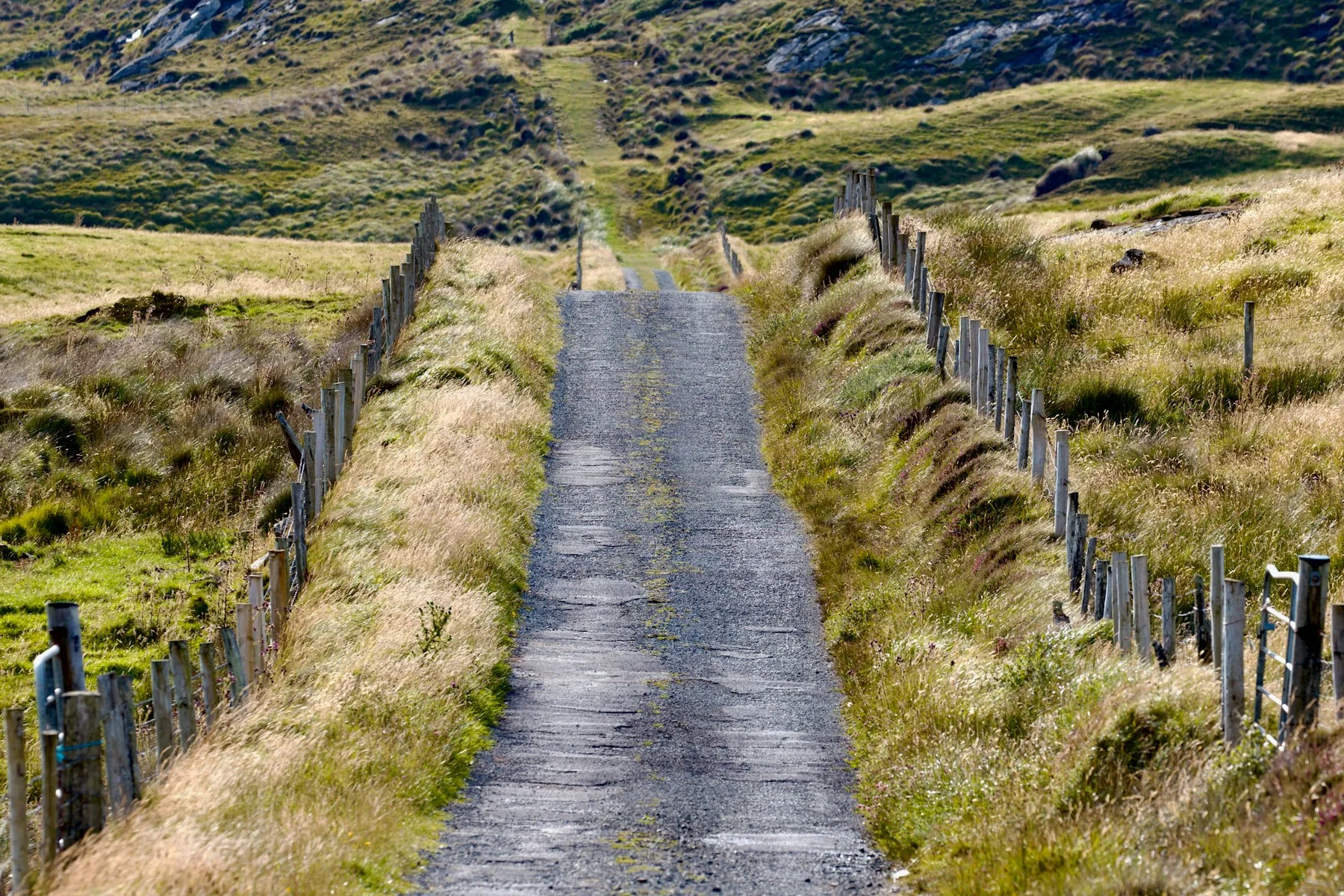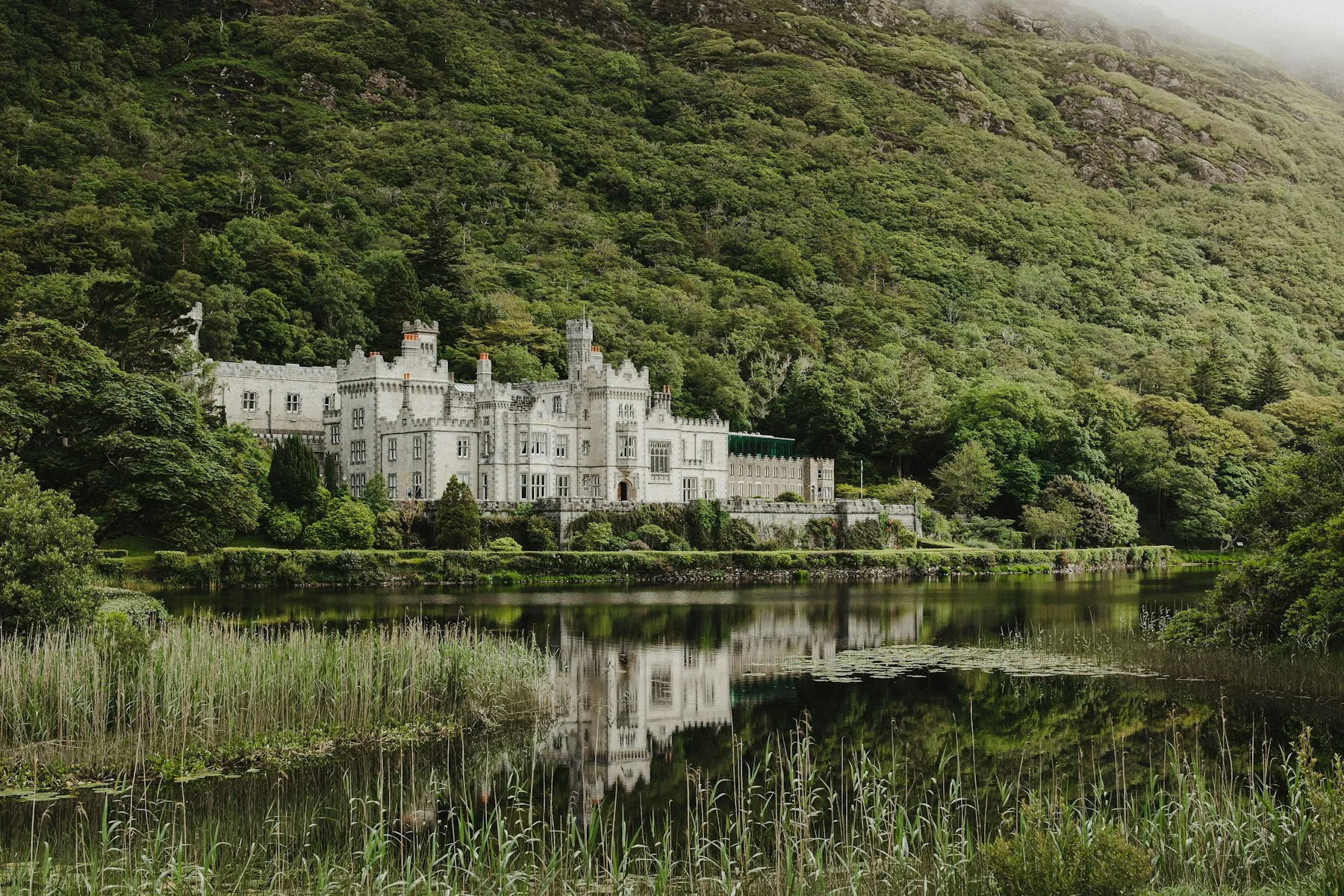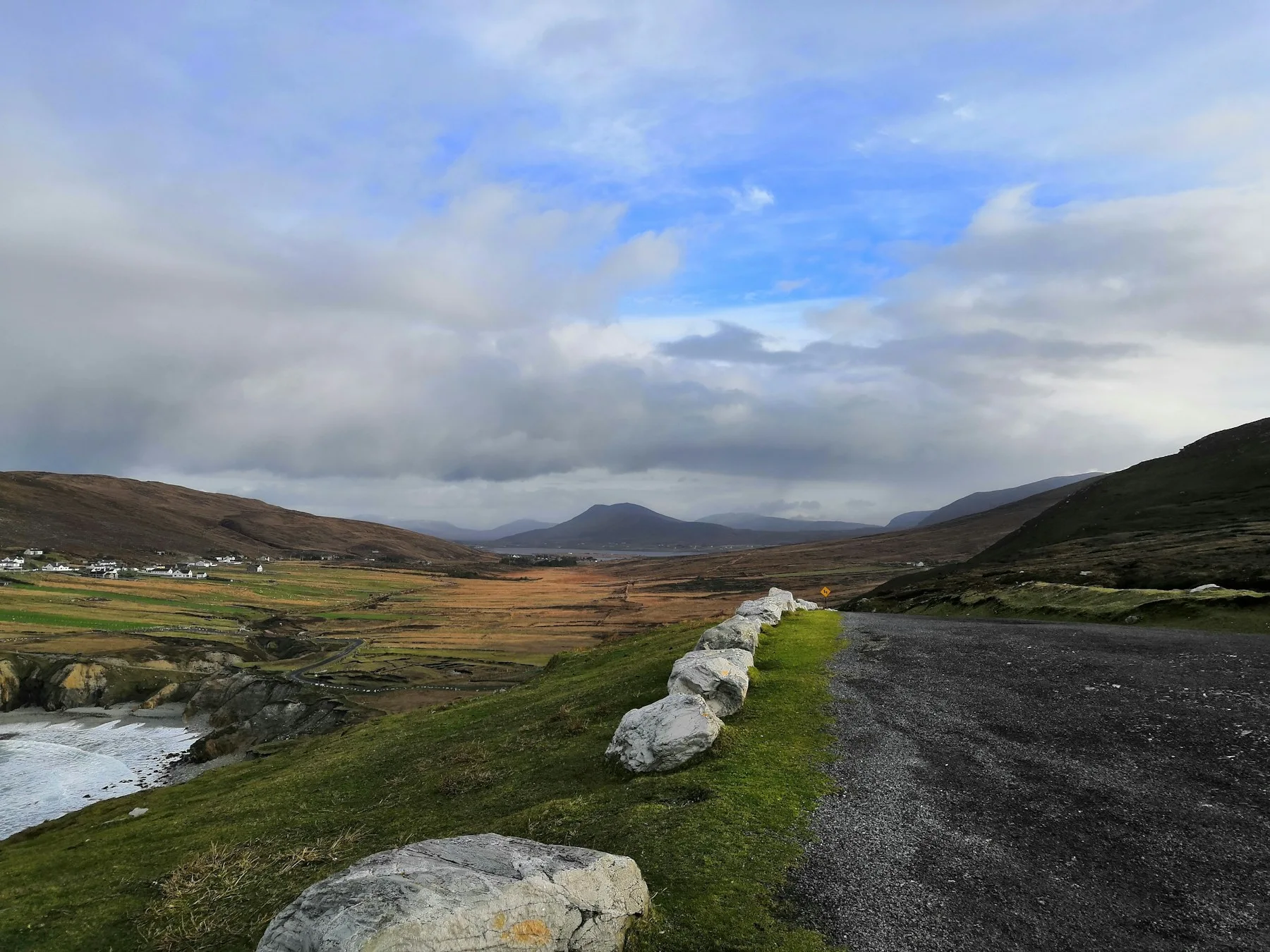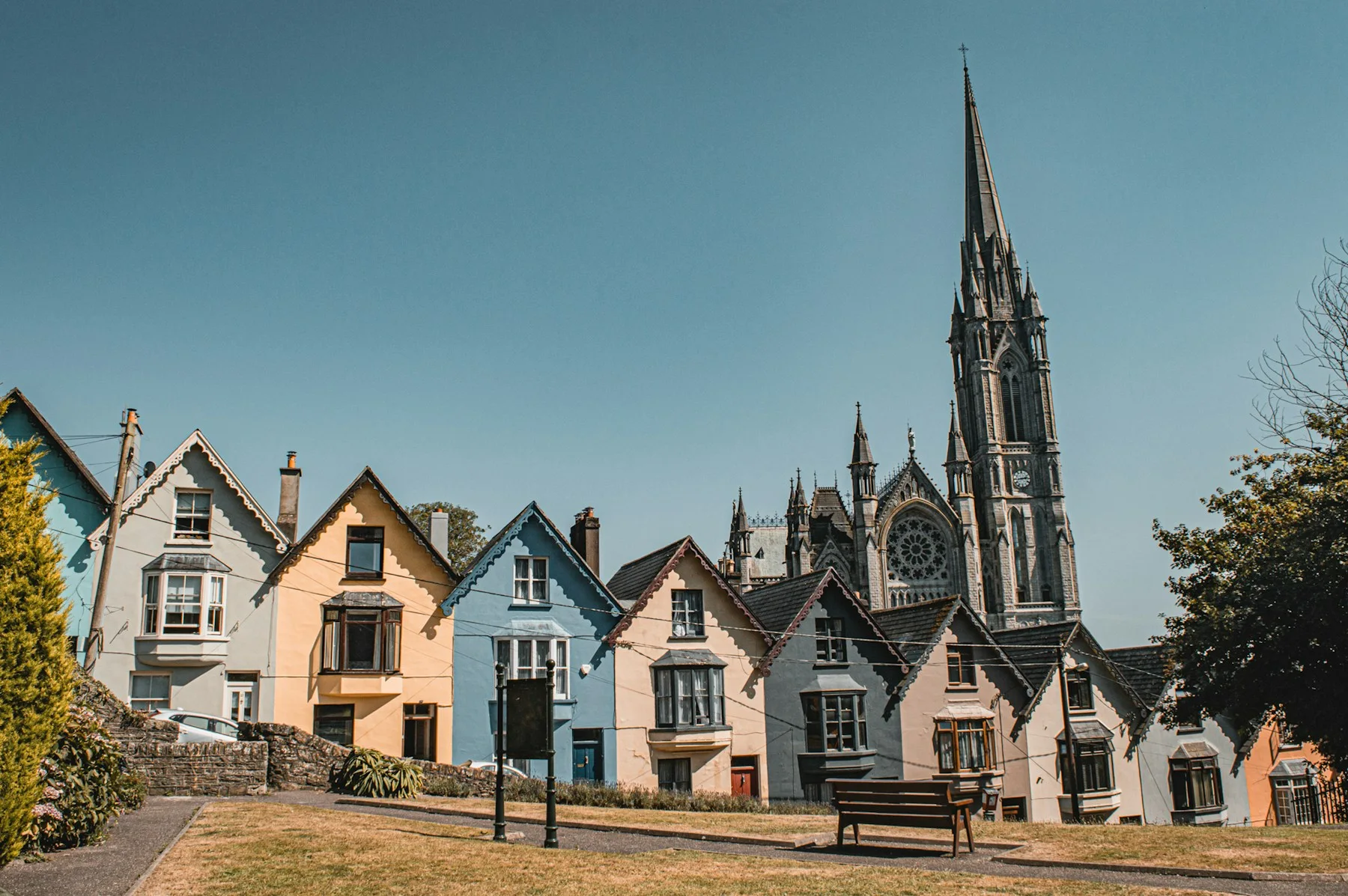
Visit an ancestral town or village as a guest in a living community. Verify the family connection, arrange any private visits in advance, and let residents choose whether they want to help. A surname, a family story or an emotional journey does not create an entitlement to someone’s home, time, documents or personal information.
A respectful visit can still be deeply personal. It might involve a public walk, a local-history collection, a permitted cemetery visit or a conversation someone has willingly arranged. Plan around these real opportunities instead of making the day depend on an unannounced introduction or a dramatic discovery.
Be accurate about why the place matters to you
Prepare a short explanation of the connection and its level of certainty. “My great-grandmother’s marriage record names this parish” is different from “Our surname is associated with this county.” Both can explain an interest in the locality, but they should not be presented as the same kind of evidence.
Bring a small number of relevant references or copies if a local person has agreed to discuss the research. You do not need to produce a long family tree at every introduction. Avoid expecting a stranger to evaluate an extensive collection while they are working, shopping or spending time with their own family.
If the place is still uncertain, use our place identification guide before planning a specific doorstep visit. A familiar name on a map is not enough to identify the historical property or demonstrate a relationship to its present occupants.
Choose an appropriate first contact
Look for a public local-history service, archive, library, heritage organization or visitor resource that actually offers relevant information. Read what it provides before making contact. A local business might be able to point you toward a public resource, but it should not be treated as an unpaid research office.
Send a concise question with the named locality, time period, relevant family and what you are asking. Make clear whether you want a collection reference, advice about an appointment or information about a public place. Do not ask a volunteer to identify every living person who shares the surname.
Check the current contact route on the responsible organization’s website. For archive questions, PRONI’s enquiry guidance illustrates the usefulness of supplying a person, time, place, record type and known reference. The same discipline can make a local inquiry easier to understand without implying that every service can undertake the research.
Give people time and a genuine choice
Contact well before the trip, explain your travel window and allow for the possibility that no one is available. A community group may meet infrequently, a volunteer may be away, and a resident may have no interest in family-history visitors. Silence should not be interpreted as an invitation to call at a private address.
Offer a modest, specific request. “Would a short conversation about this public photograph collection be possible?” is easier to assess than “We are arriving with twelve relatives and hope you can show us our history.” If a person offers a different format or time, decide whether it works without pressing them to accommodate the entire itinerary.
Confirm an arrangement before treating it as part of the day. Keep the person’s preferred contact method and any limits in the travel notes. If plans change, let them know promptly. Agree who in your group will communicate so that the host does not receive several inconsistent requests.
Treat a possible ancestral home as a private place first
A house can be historically relevant and still be someone’s private home. A farm can contain a family site and still be a working environment. Establish the identification from the evidence, then ask whether a visit is welcome and what, if anything, is possible.
Explain the party size, proposed length, mobility considerations and whether you hope to take photographs. Accept boundaries about where you may go. Do not assume permission to enter a yard extends to buildings, fields or an interior, and do not arrive with extra people who were not part of the arrangement.
If the owner declines, respond briefly and politely, then use your public-context alternative. Do not turn up hoping a different family member will agree. Your connection to a place can be explored through records, landscape and local history without requiring the current household to host a personal commemorative event.
Prepare a public-context version of the day
Choose a route that works even if a private meeting is canceled. A village center, public exhibition, local museum or other confirmed visitor opportunity can explain the wider setting. Identify where you will park or arrive, where meals and toilets fit, and how long the group can comfortably spend outdoors.
For a possible Galway connection, you might combine a planned locality visit with time in a suitable regional base, rather than organize the entire holiday around access to one building. Keep the route proportionate to the strength of the connection and the interests of everyone traveling.
Our research-to-travel guide explains how to match itinerary choices to confirmed, probable and unresolved places. A flexible plan reduces the pressure to treat an uncertain story as established simply because flights and accommodation have already been booked.
Visit burial places quietly and without intervention
Check the cemetery’s access arrangements, ownership or management contact, and any current restrictions. A historic burial ground may differ substantially from an active cemetery in its paths, maintenance and supervision. Confirm the actual route if someone in your party needs step-free or otherwise suitable access.
Respect funerals, mourners and other visitors. Keep the group unobtrusive and pause family-history discussion when a quiet setting calls for it. A search for an old grave should not interfere with someone else’s present bereavement.
Do not attempt cleaning, rubbing, moving a stone or removing vegetation to make an inscription easier to read. Tipperary County Council’s graveyard-care guidance emphasizes professional advice, ownership and protection of the site. Ask the responsible people about existing inscription records or suitable ways to document what is visible. A visitor’s wish for a clearer photograph is not a reason to intervene physically.
Separate a welcoming conversation from a research service
Local knowledge can be valuable, but a friendly conversation is not a commissioned investigation. A resident may remember a family name or describe a building without being able to establish your relationship to it. Note what they say and how they know it, with permission, rather than asking them to certify the family story.
If someone recommends a researcher or guide, investigate the actual service, scope and terms separately. Do not imply that the recommendation establishes professional credentials or an agreement. Our guide to genealogy deliverables explains the distinction between useful information and a documented research conclusion.
Thank people for their time even when the lead does not resolve your question. A useful outcome might be learning that the place name refers to a different locality, that the photograph shows a later building, or that a proposed meeting is inappropriate. These clarifications can improve both the research and the visit.
Ask before recording or sharing
Permission to talk does not automatically include permission to record, photograph or publish. Explain the intended use in ordinary terms and ask separately. Someone may be happy to point out a public location but not want their name or voice circulated beyond the conversation.
Keep private addresses, contact details and sensitive stories out of public trip posts. A photograph can reveal a location even if its caption omits the address. Consider what appears in the frame and whether the people involved understand where it will be shared.
If the conversation becomes an oral-history interview, use a more deliberate process. The Oral History Network of Ireland’s practical guidelines discuss informed participation and future uses. Our relative-interview guide offers a simpler family-focused preparation framework. Do not convert an informal welcome into a public recording project without agreement.
Keep the group easy to host
Brief your fellow travelers before the visit. Explain the agreed purpose, time limit and restrictions. Decide who will introduce the family and ask the main questions. A large group speaking at once can make a modest conversation feel like an obligation to deliver a performance.
Prepare for children’s needs, weather, seating and breaks without assuming the host will supply them. Arrange refreshments and facilities through confirmed public options unless the host has specifically offered otherwise. Do not make private hospitality an unspoken requirement of the itinerary.
Allow travelers to opt out of a research-heavy appointment. A companion can appreciate the family connection without wanting to examine every document. Where possible, agree a nearby independent activity and reunion point so that the most interested researcher does not feel rushed and everyone else remains comfortable.
Avoid turning heritage into a claim on the present
Family history can create a strong feeling of connection. That feeling is personal, while the locality belongs to the people living their everyday lives there now. Listen to how they describe the place rather than assuming it should resemble the version preserved in an emigrant family’s stories.
Do not expect a village to explain itself through your ancestor’s experience. People may discuss current work, housing, schools, sport or other priorities. A conversation about contemporary life can be part of understanding the place, even if it does not advance the family tree.
Keep historical interpretation open to complexity. A building, estate or institution may have different meanings for different families. Avoid presenting a single romantic or tragic account as the universal local experience. Ask thoughtful questions and distinguish your family’s documented story from the wider history.
Record the visit as evidence and experience separately
Make a factual visit log: date, places actually visited, people who agreed to be identified, documents viewed and references supplied. Record uncertain statements as uncertain. Keep personal reflections in another part of the journal so they do not accidentally become documentary claims.
For a hypothetical example, “We visited the public lane near the recorded townland” is an observation about your trip. “This is where our ancestor walked each morning” is an interpretation requiring evidence you may not have. You can write a moving family account without inventing a daily routine.
Afterward, connect new photographs and research leads to your source inventory. Our document organization guide explains how to preserve context and custody. If you promised someone a copy of a photograph or a correction to a family account, complete that follow-up using the agreed channel.
Leave a considerate impression
A short thank-you can acknowledge precisely what the person helped you understand. Avoid adding further research requests to every expression of gratitude. If you would like to continue a conversation, ask whether that would be welcome and accept the answer.
Where a public institution offers a legitimate way to support its work, decide independently whether you wish to do so. Do not imply that a donation buys access to private material or a particular conclusion. Likewise, do not offer a public review as pressure for someone to provide more time or information.
Before returning home, note what remains unresolved and what the locality visit has already given you. It may have clarified geography, challenged an assumption or helped the family understand a broader setting. None of those outcomes requires a claim that you have found the exact ancestral home.
Plan your visit with room for consent
Use the trip planner to build a day around confirmed public places and agreed appointments. Keep private permissions, uncertainties and contact arrangements visible to the person coordinating the visit. A plan that works without unexpected favors is easier for the community to welcome.
Carry curiosity rather than a script for how the day must unfold. Verify the connection, ask clearly, listen carefully and let people choose their level of involvement. That approach gives your family a more honest experience of the place and leaves room for the relationships that may, or may not, develop naturally.
Before a group visit, give everyone the same short introduction to the evidence. This prevents a tentative house identification becoming a confident statement when a different relative speaks to a resident. Agree a phrase such as “We are exploring a possible connection” where that is the accurate position. A shared introduction also lets the host understand why you are interested without repeatedly answering the same question for each traveler.
Keep a written record of any permission that affects the route, including its limits and the contact who arranged it. Refer back to that agreement if enthusiasm on the day starts to expand the proposed visit.
Sources & review notes
Source access: 26 October 2026. Human editorial review: pending. Recheck schedules, access, policies and costs directly before booking.
- Public Record Office of Northern Ireland · Information useful for a focused research enquiry Recheck before travel
- Tipperary County Council · Graveyard conservation, ownership checks and avoiding intervention without professional advice
- Oral History Network of Ireland · Informed participation, interview boundaries and consideration of future use
A journey that feels like you.
Keep the places that matter, leave time to explore, and build your own Ireland plan.
Start your trip plan