Plan a first Dublin stay around two or three interests, then choose a small group of places that work together geographically. A museum, a neighbourhood walk and a good evening can make a satisfying day without a citywide sightseeing circuit. Give arrival and departure their own space, and choose accommodation for the journeys you will actually make, including the return after dinner.
Dublin is a useful introduction to Ireland, but it is also a city where people live, work and study. A first visit becomes more rewarding when you look beyond a list of famous interiors and allow time to notice the streets between them. This guide helps you build a stay with enough structure to work and enough flexibility to change your mind.
Begin with your reason for spending time in Dublin
Write down what you hope the city will add to your trip. You might want paintings and architecture, a better understanding of Irish history, a concert, bookshops, family research, food, or an easy introduction after a long flight. Choose one priority for each full day. Treat everything else as a supporting idea rather than an obligation.
Ask your travelling companions the same question separately. Someone who loves a long museum visit may not realise that another person needs a shorter indoor day and more time outside. Agreement does not require identical interests. It requires a shared plan for meals, meeting points and how to split up comfortably when different choices would make everybody happier.
Our first-trip planning guide explains how to count usable days before adding stops. Apply that method to Dublin: the afternoon after an overnight flight is different from a full day after a good night’s sleep. An early departure can also make a final city evening more constrained than it first appears.
Use the map to build manageable clusters
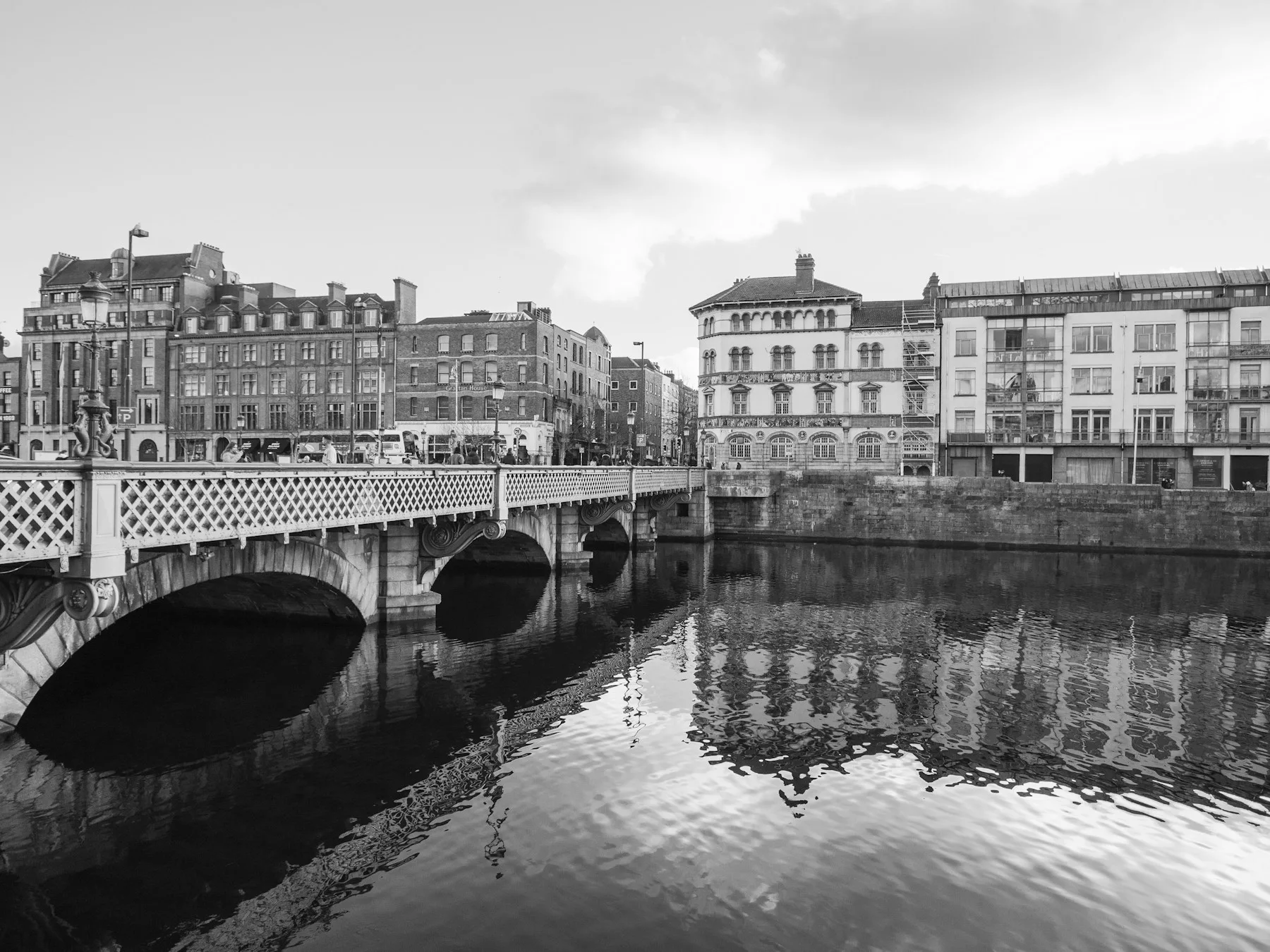
The River Liffey is a useful orientation line, with the city centre on both sides. Visit Dublin’s first-time visitor guide also introduces the wider city’s neighbourhoods. Use that overview to understand locations, then check actual walking or transport routes rather than judging everything by a straight line on a map.
For an art and public-space day, investigate the area around Merrion Square and the National Gallery of Ireland. For a day focused on older city history, examine the relationship between Dublin Castle, the cathedrals and the Liberties. For a northern neighbourhood afternoon, consider Smithfield and Stoneybatter. These are possible planning clusters, not promises that every attraction will fit into one morning.
A sensible cluster includes a place to sit, food you can realistically obtain and a route back to your accommodation. Two attractions beside one another can still be too much if both involve sustained standing, timed tours or several floors. The value of clustering is fewer repeated transfers, not permission to double the number of reservations.
Choose accommodation by the whole daily journey
Compare an address against your likely first and last activities. A centrally located room can reduce transfers, but a street associated with evening entertainment may not suit someone who needs quiet. A neighbourhood outside the busiest core may offer a pleasant stay, provided you understand the transport connection and are comfortable using it after an evening out.
Ask the accommodation about the particular room, not just the building. Check whether it faces a busy street, whether windows can be opened, how lifts and stairs work, and where a vehicle can stop with luggage. If a room’s practical characteristics are essential, request written confirmation instead of relying on a general description such as traditional, central or accessible.
For a family or group, compare the complete arrangement: number of beds, room distribution, breakfast, cancellation terms and the ability to return for a rest. A cheaper room can become less convenient if every short outing requires another fare or if one member cannot return independently. Put these tradeoffs beside the price rather than assuming one part of the city is always best.
Let a museum visit have enough room
Choose a museum because its subject interests you, then check what is actually on view. The National Gallery’s visitor information provides links to exhibitions, access information, family resources and opening arrangements. Use the institution’s own information to plan the visit rather than assuming a collection, entrance or programme remains unchanged.
Give yourself a stopping rule. You might spend the morning with one exhibition and a few collection rooms, then leave while you still want to talk about them. A shorter, focused visit can be more memorable than walking through every gallery while tired. Different travellers can choose different rooms and agree to meet afterwards without turning the visit into a test.
Timed attractions need additional thought. Check the ticket’s arrival instructions, the location of the correct entrance, permitted luggage and what happens if you are late. Avoid putting another inflexible booking immediately afterwards. The exit process, a meal and an unfamiliar walk all belong in the day, even when they do not appear on the ticket.
Make neighbourhood time an activity in its own right
A neighbourhood visit works best when it has a modest purpose: browse a bookshop, examine architecture, choose lunch, or walk to a public garden. That gives the outing direction without requiring a fixed route through every lane. Notice which streets feel pleasant to return to, and keep an eye on the distance already walked before adding another district.
Do not treat residential streets as a stage set. Keep entrances clear, avoid photographing people through windows and ask before making an identifiable portrait. In shops and small cafés, order something or browse considerately rather than occupying a busy space solely for photographs. A quiet street may be someone’s working environment, not an invitation to enter private property.
Neighbourhoods also change over the day. Somewhere you enjoy at lunchtime may feel entirely different later, while the return journey may require another transport option. Plan the evening you actually want rather than choosing nightlife simply because it appears on a first-time list. Our music and pub-culture guide helps you distinguish a listening evening from a general night out.
Use transport where it improves the day
Walking, buses, Luas and rail can play different roles in a Dublin stay. You do not need to choose one method for the entire visit. Walk a comfortable central cluster, use transport for a longer connection, and consider a separate arrangement for luggage or a late return. An attractive walking route can be much less appealing when carrying bags in heavy rain.
Check the route on the responsible operator’s information or a current journey planner, including the exact stop and direction. A station name alone does not describe the walk to a platform, changes between services or the route from the final stop. Our Ireland transport comparison explains how to compare complete journeys rather than headline travel times.
If you have a rental car for the rest of Ireland, consider whether it needs to be with you during the city stay. Compare collection arrangements, parking, luggage storage and the route out of the city. Avoid making a tired arrival day the moment when you must learn an unfamiliar vehicle and negotiate an unfamiliar street network.
Decide whether a coastal outing belongs in this stay
A coastal visit can add a different texture, but it is still an excursion. Decide whether you want a harbour, a promenade, a meal with a sea view or a more demanding walk. Those are different outings with different requirements. Do not let a scenic photograph quietly turn a relaxed city afternoon into a lengthy exposed route that nobody agreed to undertake.
Use Iarnród Éireann’s rail maps and linked journey information to investigate rail connections, then confirm your date and station. Check local access conditions for any walk. Being able to reach a town by train does not establish that every viewpoint is nearby or that the route suits your party.
For a short first visit, it can be reasonable to leave the coast for another trip. Compare the proposed outing with what you would otherwise do in the city. If both days already have meaningful priorities, adding a third geographical area may reduce the quality of all three rather than provide a useful extra experience.
A flexible three-night example
Imagine two adults arriving in Dublin on Monday and leaving for another Irish base on Thursday. This is a hypothetical planning example, not a transport schedule. Monday contains arrival, luggage arrangements, a meal and a short orientation near the accommodation. Nothing expensive or time-sensitive depends on the flight arriving exactly as expected.
Tuesday is the art day. The travellers choose the National Gallery after reviewing the current programme, protect a lunch break and leave the afternoon for a nearby public-space walk or rest. Wednesday has a history focus in another city cluster. They book only the attraction that truly needs a reservation and choose the rest of the day around its location.
The evening arrangement is independent of the morning theme. One night might be a booked performance; another might be a simple dinner near the room. Thursday includes breakfast, checkout, luggage and the next journey. If the visitors decide that a coastal outing matters more than another museum, it replaces Wednesday’s plan rather than being squeezed into its edges.
Plan for comfort, weather and differing energy
Ask practical questions before selecting a walking-heavy day. How often does somebody need a seat? Are cobbles or steps a concern? Can the group separate without leaving someone stranded? Specific answers help you choose an appropriate route. A general claim that Dublin is walkable does not tell you whether a particular day is comfortable for your travellers.
A rainy-day alternative should be a genuine alternative, with opening and access checked. It need not be an additional museum if the group is tired of museums. A slower lunch, a bookshop or time back at the accommodation may be the better choice. Keep at least one decision each day open until you know how everyone feels.
For a final check, read the proposed day from breakfast to bedtime. Include transfers, meals, rest and the return journey, then remove the weakest activity if it still looks crowded. The city will offer more than one visit can contain. Choose enough to give this stay a clear character, and let the unchosen ideas remain possibilities for another time.
Keep meals and spending decisions practical
Put meals on the map before booking the day’s second attraction. A restaurant that sounds ideal may be inconvenient when it sits on the other side of the city from your final stop. Choose one meal worth travelling for, or choose the day’s area first and find suitable food there. Either approach is clearer than repeatedly crossing the centre because separate lists recommended separate places.
Ask about the details that affect your party: reservation requirements, children’s choices, dietary needs, seating and the latest time the kitchen accepts an order. Do not assume that an advertised bar opening time describes food service. Keep a simpler alternative nearby for an arrival day or after an event, particularly when the group cannot easily postpone eating.
For budgeting, record accommodation, attractions, local journeys and meals as separate estimates. Check whether an attraction pass actually covers the places you intend to enter, on your dates, with the reservation rights you need. A pass can be convenient, but counting its available attractions is less useful than counting the ones you would have chosen without it.
Save a small decision log with your plan. For example: Wednesday’s museum is reserved, lunch is flexible, and the evening performance still needs a ticket. That distinction prevents a bookmark from being mistaken for a booking. It also makes it easier for another traveller to take over arrangements without reconstructing every choice from scattered messages.
Leave with a record you can use
Keep a short note of what you enjoyed and what you would change. Record a neighbourhood you would return to, an institution whose programme you want to follow, or an activity that needed more time. This makes a later visit easier to design and is more useful than keeping an undifferentiated list of everything you passed.
If Dublin is only the first part of a longer journey, review the next day’s transfer before the final evening. Knowing where to collect bags, reach a station or meet a driver allows you to enjoy the city without leaving departure arrangements to a rushed morning.
Turn your interests into a Dublin plan
Use the Dublin destination hub to collect your starting ideas, then open the Irish.org trip planner. Record the number of usable days, your daily priority, accommodation area and unresolved transport questions. Keep bookings separate from possibilities so that the finished plan reflects what you have actually confirmed.
Sources & review notes
Source access: 26 October 2026. Human editorial review: pending. Recheck schedules, access, policies and costs directly before booking.
A journey that feels like you.
Keep the places that matter, leave time to explore, and build your own Ireland plan.
Start your trip plan