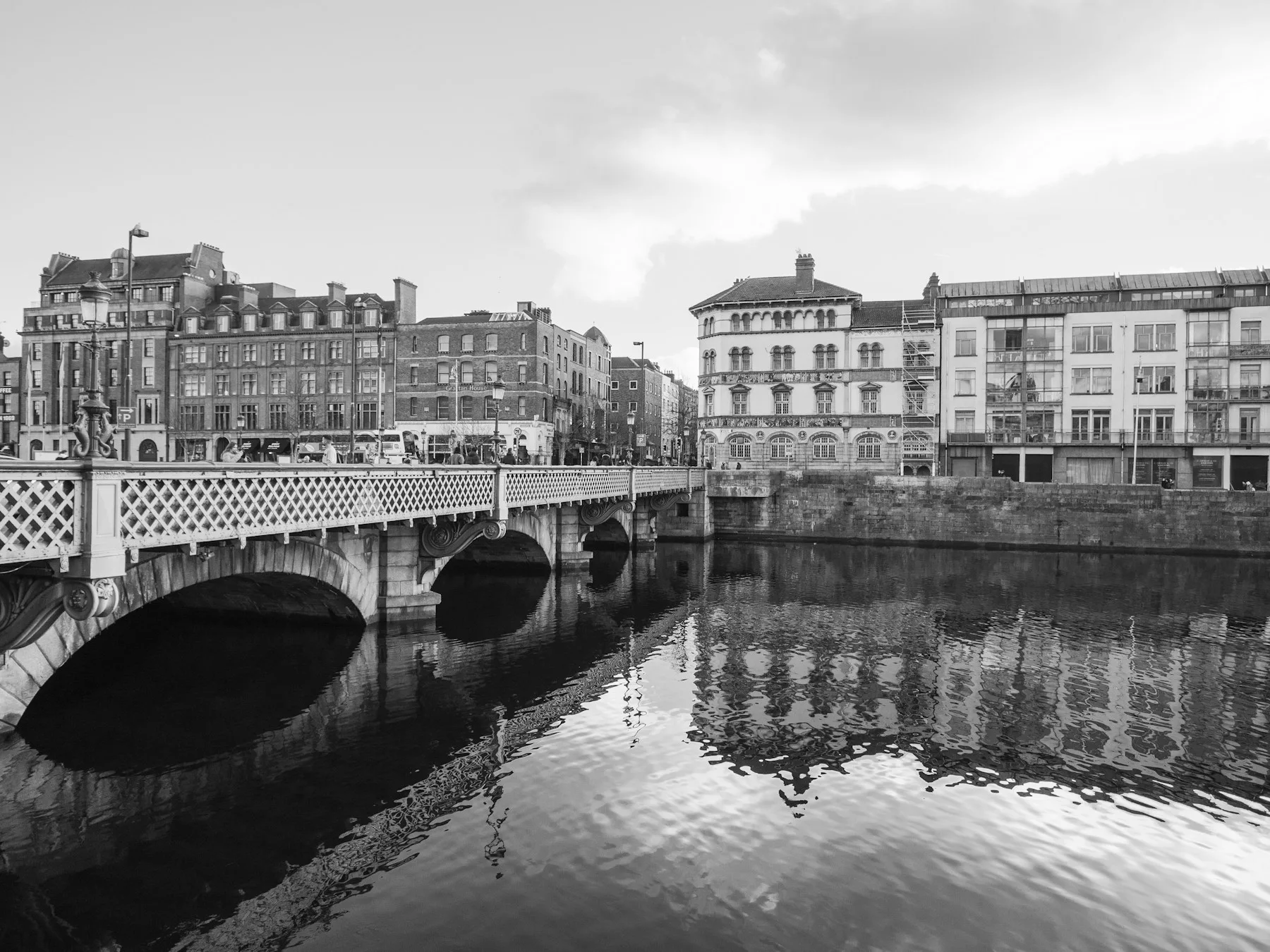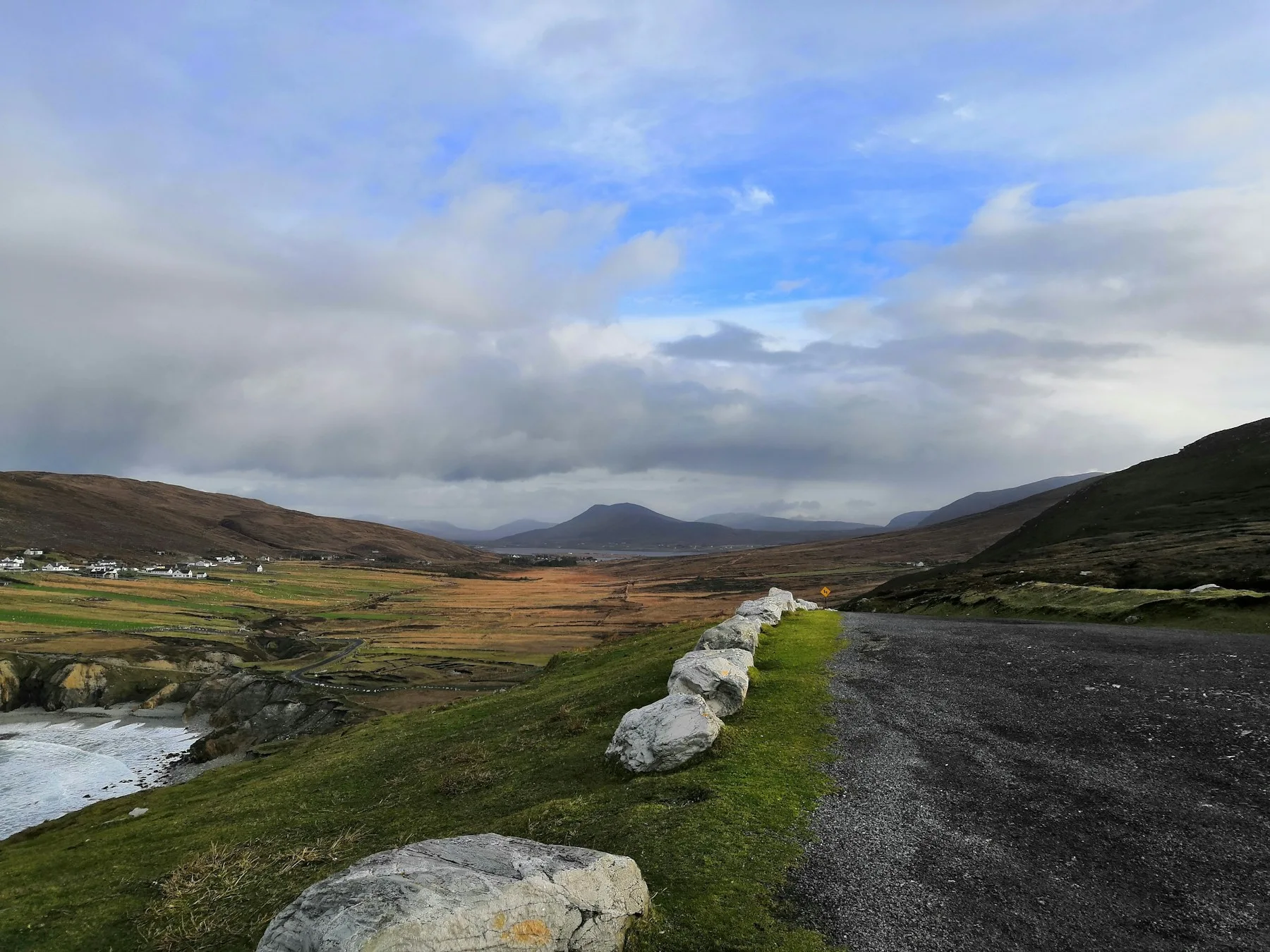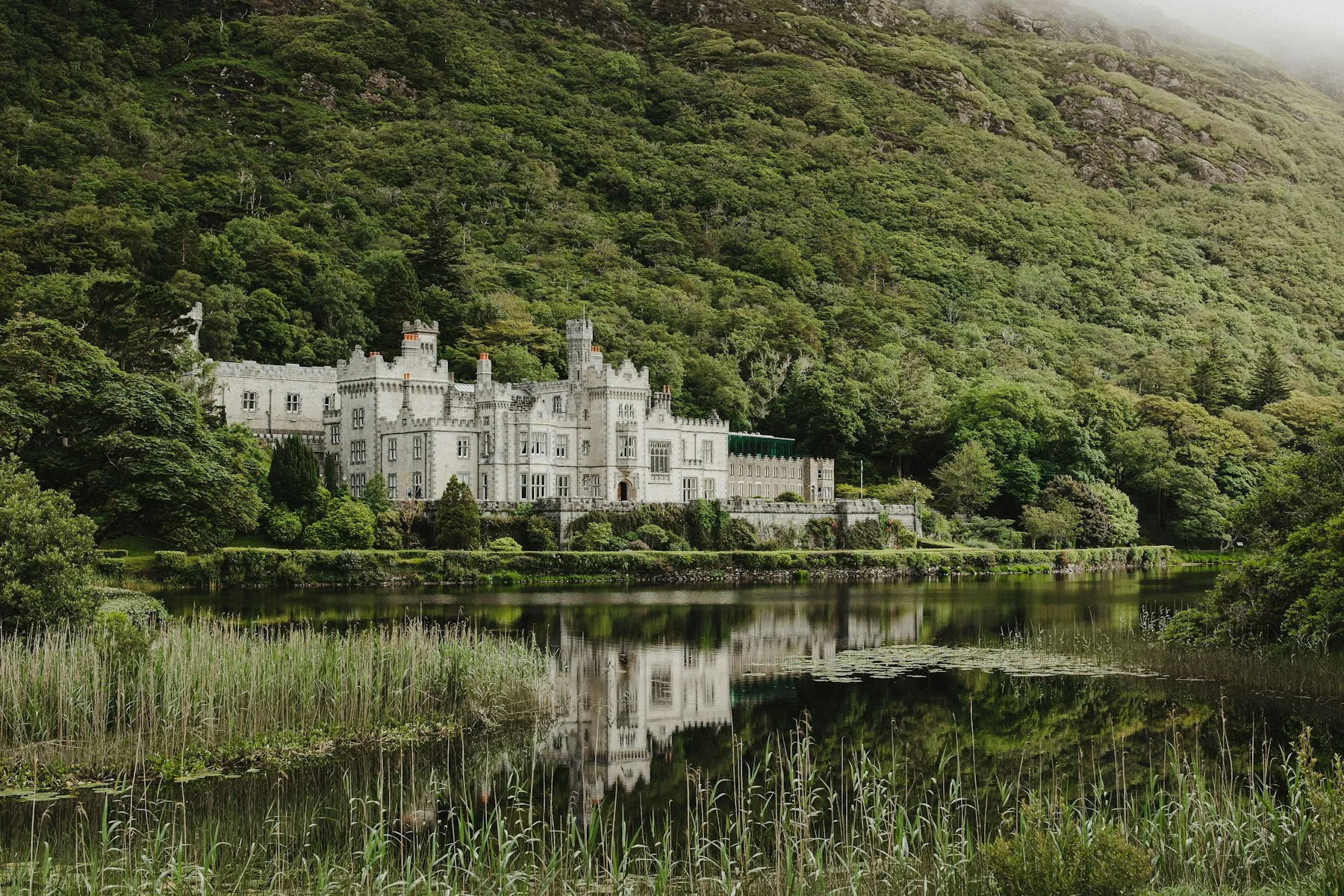
Choose Galway city as a base when you want city evenings and selected regional excursions, and choose a regional base when most of your important activities lie farther into Connemara or another part of the west. The best choice depends on how often you will leave, what each return requires and whether being in the city adds something you will use every day.
The word Galway can describe a compact city stay or a much broader county journey. Those are different planning propositions. A city address does not make every western attraction a nearby outing, while a rural room with a Galway postal address may offer little of the city experience you imagined. Start by making the geography precise.
Give your Galway stay a clear centre of gravity
List your three strongest reasons for staying in this part of Ireland. You might want evenings of food and music, a museum and coastal city walks, time in Connemara, an island visit, or a family-history appointment. Put the actual locations on a map. Count how many priorities are in the city and how many require a substantial journey away from it.
If most days start and finish with city activities, staying in Galway can make practical sense. If you repeatedly leave after breakfast and return only to sleep, compare an alternative base nearer the region you are exploring. That does not make the city a poor choice. It makes its value something you should be able to describe.
Use our Galway destination hub to gather ideas, then read the seven-day itinerary for an example of balancing a city base with fewer moves. Your own choice should follow your interests and dates rather than copying the base pattern without examining what it does for you.
Understand what a city stay can provide
A city base can let members of a party make independent choices. One person may want a long lunch while another browses shops or visits a cultural venue. This works only when everyone understands the meeting arrangements and the return to the accommodation. Do not assume that a group accustomed to moving together will automatically be comfortable splitting up.
Give the city its own day rather than treating it solely as the evening between excursions. The Galway City Museum is one place to investigate local history and current exhibitions. Choose a visit because the subject interests you, check opening and access on the museum’s own pages, and leave room for the streets and waterfront afterwards.
For music, look at the particular venue and format rather than assuming every pub offers the same experience. Some evenings reward attentive listening; others are more social or performance-led. Our traditional music guide explains how to approach an evening respectfully and why a schedule should be checked directly.
Compare accommodation addresses against your evenings
Ask where the room sits relative to the places you expect to use. A central address can simplify a dinner return, but ask about noise, parking and unloading. An address farther out may offer a different atmosphere while requiring a taxi or bus. The practical distinction is the complete journey, especially when rain or fatigue changes your willingness to walk.
If you are travelling with children, consider the route back before choosing an evening venue. If one person wants to retire earlier, can they do so without disrupting the others? If someone uses a mobility aid, check the actual entrance and room route. A general central-location claim does not answer these more specific questions.
Compare self-catering and hotel options using the whole stay. Laundry, breakfasts, parking, cancellation terms and the ability to sit somewhere other than a bed may matter more over several nights. Keep assumptions visible in the budget calculator. You can then see whether a cheaper nightly rate still makes sense after the journeys it creates.
Decide whether you need a car in the city
A rental car can support some regional outings while adding parking and handling tasks during a city stay. Check the accommodation’s parking arrangements, whether a space is guaranteed and how you reach the entrance with luggage. A nearby public car park is a different arrangement from parking at the building, particularly if the party has substantial bags or needs step-free access.
Travellers arriving by public transport should assess the final connection to their accommodation and the outings they plan afterwards. Iarnród Éireann’s rail maps and journey links help establish the main network. They do not settle a particular rural excursion, return connection or last-mile transfer.
Our transport comparison can help you evaluate a mixed approach: arrive without a car, enjoy the city and use a separately arranged excursion for one regional day. Compare that against self-drive using the experiences you want, not a general belief that one method always provides more freedom.
Give Connemara an appropriate amount of time
Connemara is an area to experience, not a single attraction at one pin. Decide which part matters to you and what you want to do there. A park walk, a historic property visit, a coastal meal and a scenic drive all use time differently. A route that includes every one can leave surprisingly little time outside the vehicle.
The Connemara National Park website provides information about its landscape, access, facilities, walking options and current notices. Use it to choose an appropriate visit rather than assuming a mountain route suits the whole party. Check the forecast and site guidance close to the day, and be prepared to choose a more sheltered or shorter activity.
Calculate the day from departure to return. Include collecting the car or meeting an operator, breaks, meals, the visit itself and the journey home. Do not use a road estimate as if it describes the entire outing. If the day looks uncomfortable, reduce its geographic reach or consider a regional overnight rather than asking everybody to endure the schedule.
Assess an island day separately
An island outing requires a chain of arrangements: reaching the departure point, check-in, crossing, movement on the island and the return. Investigate the operator’s current sailing arrangements and the island’s own practical information. The crossing is only one part of the day, and a ticket does not necessarily include all transfers or local transport.
Choose the island experience you want. It might be a guided historical visit, cycling, a short exploration or simply time in a smaller community. These need different preparation and physical effort. Confirm what is practical for your party, including accessibility, luggage and the possibility of weather-related changes, before building other bookings around the return time.
A city base can be useful because a changed island day still leaves other things to do. However, the backup must be realistic for that date. Keep it flexible and avoid assuming that a popular indoor attraction will have immediate availability. If the island is essential to the trip, give it a more generous place in the itinerary.
Do not turn Clare into an automatic extension
County Clare may appear beside Galway on a western itinerary, but the quality of a Clare day depends on its own chosen locations and activities. A stop at the Cliffs of Moher, a Burren walk and an evening in a town are not interchangeable pieces of a quick circuit. Choose what you want to understand or experience first.
For a selected Clare excursion, compare the return to Galway with staying in Clare itself. City evenings may justify the return for one trip; several consecutive southern outings may suggest a different base. Our Clare coast and culture guide helps you make a day with a specific focus rather than a list of all the western highlights.
A useful rule is to give every excursion a reason and a limit. The reason explains why you are making the journey. The limit identifies what you will leave out if conditions or energy change. That produces a more useful plan than treating optional stops as compulsory simply because the road passes a sign for them.
A four-night example with two different versions
Imagine travellers spending four nights in the Galway area. In the city-focused version, the first afternoon is for arrival and orientation. The first full day stays in Galway, the second is a carefully chosen Connemara outing and the third remains flexible for an island trip or a different local interest. The city is part of the experience every day.
In a more rural version, the same travellers spend an initial city night and then move for a longer regional stay. They accept the effort of packing because their main priorities are now around the new base. They plan the move as a transfer day with one modest stop rather than attaching a complete sightseeing circuit to it.
Both are hypothetical planning shapes, not booking-ready itineraries. Compare them against the actual hotel addresses, transport, season and needs of the party. Four nights do not automatically provide four full days, and an airport journey can remove much of the final day. Count usable time honestly before choosing between the versions.
Let the weather change the activity, not ruin the stay
Create alternatives by type. An exposed outdoor day needs a more sheltered option; a very wet urban afternoon may call for a museum, a leisurely meal or a rest. An outdoor activity can still be unsuitable in apparently mild weather, so follow the responsible site’s advice rather than judging conditions from a hotel window.
Keep reservations concentrated around the activity that matters most. A day with three inflexible start times is difficult to adapt. If the forecast changes, decide which bookings can move and which should be retained, then notify the relevant business promptly. Flexibility works better when cancellation and amendment terms were understood before purchase.
Record a decision point for a regional outing. For example, agree to check the operator’s notice and the weather before committing to the morning departure. Give everyone access to the current arrangement. A clear, shared choice is less stressful than repeatedly discussing alternatives while already travelling away from the city.
Make evenings and rest part of the base decision
An itinerary can look relaxed on paper while every evening involves finding parking, choosing dinner and crossing the city again. Protect one easy meal near the accommodation after a demanding excursion. Keep a practical food option for a late return, and check kitchen service rather than assuming that a venue’s general opening hours guarantee a meal.
Also consider time that is deliberately unallocated. Returning to a favourite street, reading in a café or taking a quiet walk can be part of the reason to stay several nights. You do not need to fill the space with an additional county. A base succeeds when it supports the kind of days you want, including the parts without tickets.
Test the plan with a simple comparison sheet
Make two columns headed city base and regional base. Against each, write the journey to your main outing, the return after dinner, parking or local transport, luggage handling and the choices available to anyone who stays behind. Use the actual accommodation addresses. This exposes differences hidden by broad descriptions such as Galway area or west coast.
Give each advantage a reason. For example, a city base may let two relatives enjoy different afternoons without arranging another vehicle. A regional base may let an early outdoor activity begin without a long approach. Neither advantage needs a numerical score; it needs to connect with something your party values enough to influence the booking.
Then test a difficult day. Suppose someone wakes up tired, the weather changes and the planned excursion is shortened. What would you do from each base? If one arrangement leaves a person dependent on everybody else’s plans, address that before choosing it. A base should support the least ambitious day as well as the most exciting one.
Finally, add the cost of a move. A split stay can solve repeated travel, but packing, checkout, luggage and check-in consume time too. Ask whether the new base gives you enough useful days to justify that effort. If it does, make the move deliberately; if it does not, simplify the excursions and enjoy the benefits of staying settled.
Build your Galway base plan
Open the Irish.org planner, list your city priorities and regional excursions separately, and write down the complete return journey for each outing. If most of the plan lies elsewhere, compare a regional base before reserving every night. Keep one flexible day so that the west can offer something you did not anticipate.
Sources & review notes
Source access: 26 October 2026. Human editorial review: pending. Recheck schedules, access, policies and costs directly before booking.
- Galway City Museum · City history and current museum visitor information Recheck before travel
- National Parks and Wildlife Service · Connemara park location, facilities, walks and notices Recheck before travel
- Iarnród Éireann · Rail network and journey planning Recheck before travel
A journey that feels like you.
Keep the places that matter, leave time to explore, and build your own Ireland plan.
Start your trip plan