Build a County Clare trip around a chosen part of the county and a balance of coast, landscape and cultural interests. The Cliffs of Moher can be one important visit without becoming the entire reason to pass through. Choose a base that supports the outings you want, then protect time for a town, a meal, music or a public heritage experience.
Clare contains several different travel possibilities: the Burren and north coast, western coastal communities and Loop Head, Ennis and its surroundings, or an eastern stay towards the lakes. You can combine them when the trip allows, but they should not become a single day simply because their names appear in the same county guide.
Choose which Clare you want to experience
Make a list of your main interests and locate each one. A traveller drawn to limestone landscapes and the north coast will create a different plan from someone interested in Ennis evenings and a selected western outing. An eastern lakeside stay can have another character again. Begin with that distinction before comparing room photographs or collecting attractions.
Visit Clare’s regional information helps explain different areas, including the Burren and Loop Head. Use the overview to understand the geography, then inspect the actual location of the things you want to do. A county boundary is useful for orientation, but it does not establish that every location is convenient from the same base.
The County Clare hub is a place to collect your starting ideas. If you are combining Clare with another western base, read the Galway base-selection guide and compare the complete journeys. Choose the overnight pattern that supports your main interests rather than automatically returning to the same city after every outing.
Give the Cliffs of Moher a clear place in the day
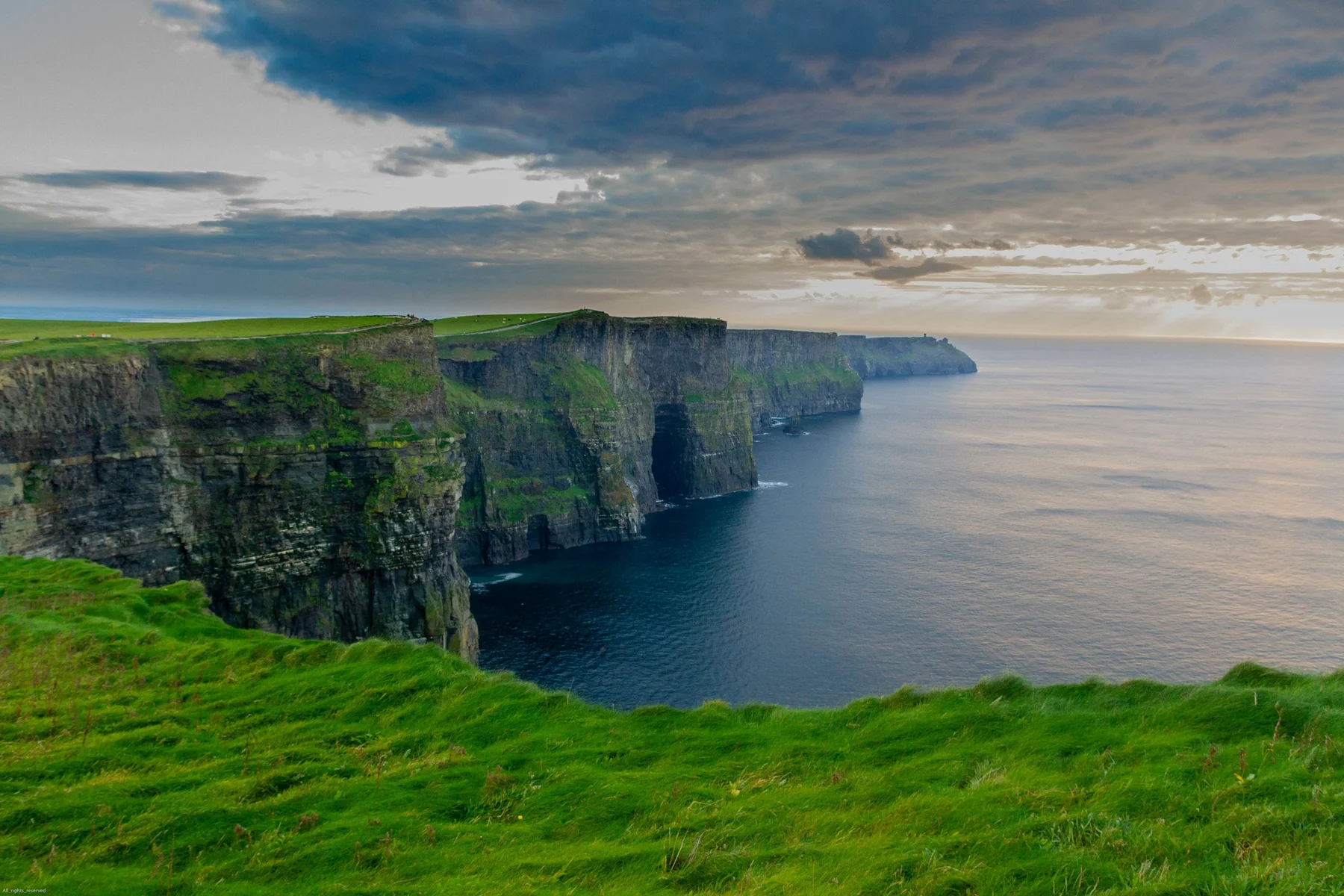
Decide what the visit is intended to provide: landscape viewing, interpretation, time with a guide or a particular walking experience. Those are different plans. Visit Clare’s Cliffs of Moher information introduces the managed visitor experience. Follow its link to the responsible operator for current arrangements, access and notices before travelling.
Keep a managed viewing visit separate from any longer coastal walk you may be considering. Check the current status of the exact route, the conditions and the demands on your party. An attractive photograph does not confirm public access or route safety. Follow closures, barriers and site guidance, and select a more appropriate activity if the planned one is unsuitable.
Allow time to reach the entrance, move through the visit and return without rushing. Then keep the next part of the day flexible. A nearby meal or a modest town visit can complement the cliffs better than an immediate long journey to another distant landmark. If visibility or conditions change, reassess the purpose of the day instead of chasing a familiar photograph.
Explore the Burren as a landscape with different kinds of visit
The Burren is broader than one park entrance or attraction. Choose how you want to engage with it: a suitable walk, geological interpretation, a heritage site, a guided outing or time in a nearby town. The Burren National Park website provides information about the park’s visitor arrangements, routes and notices. Use it for the particular visit you are considering.
Match the route to the group. Rocky surfaces, exposure and changes in weather can affect comfort and suitability. Ask for appropriate advice if you are unsure about an outing, and do not treat a general tourist map as the information needed for a demanding walk. A short experience with good interpretation can offer plenty to notice without a strenuous route.
Respect the landscape and the people who manage it. Follow signs and access instructions, avoid trampling vegetation for a photograph and leave natural or archaeological material where it is. Do not assume that visible open land is available to enter. If you want access to a particular place, establish the proper arrangement before the visit.
Choose a base for evenings as well as scenery
An Ennis base may suit a traveller who values town time and selected outings. A north-coast base may suit someone whose priorities lie near that coast and the Burren. A western base may support a more focused Loop Head or coastal stay. Compare these patterns with the actual accommodation addresses, not just the name of the nearest well-known town.
Map dinner, parking or local transport and the route back after an evening. Ask whether a room is within a comfortable walk of what you plan to use, and whether the route remains appropriate in poor weather. A property described as peaceful can be a very good choice, but it may also require more advance meal and transport planning.
For a group, consider the person who wants a shorter day. Can they remain at the base comfortably, find food and enjoy an independent activity? If every outing requires the whole party to use one car, discuss how you will handle different interests. Our family-group planning guide offers a method for making these choices before booking.
Let Ennis and cultural time have their own value
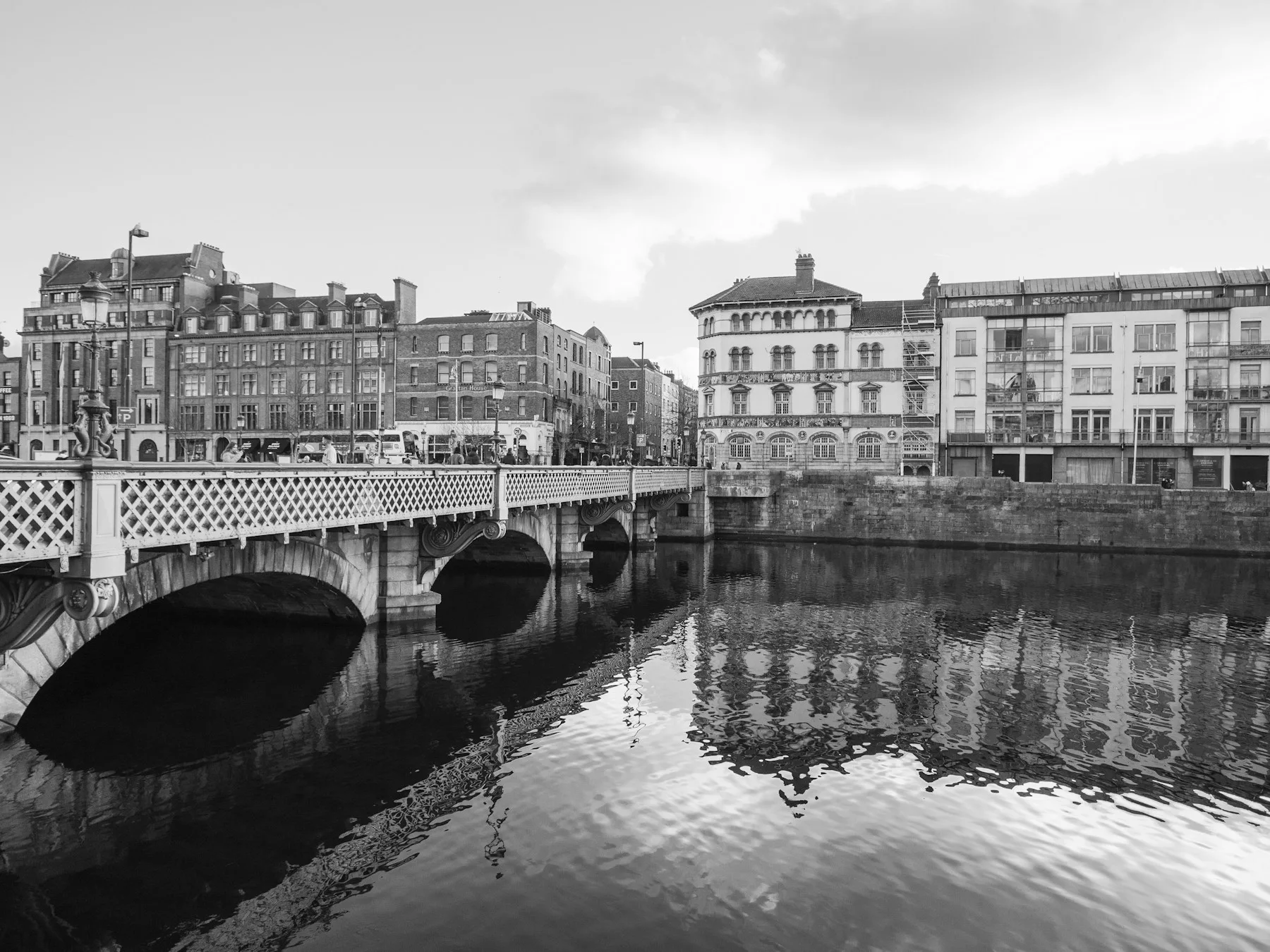
Town time can provide a different way into Clare from a sequence of viewpoints. Investigate public heritage interpretation, shops, food and cultural programming that match your interests. Visit Clare’s Ennis information provides an orientation. Check the responsible venue’s details for anything you intend to reserve or travel specifically to see.
For a music evening, find out what kind of event is being offered and how the venue expects visitors to participate. A listening session, concert and general pub evening are different experiences. Read our traditional music guide for practical etiquette, and leave room to listen rather than treating music as background to a rushed stop.
Plan the return before the evening begins, particularly if your accommodation is outside town. If different members of the group want to leave at different times, agree a workable arrangement. A cultural evening is easier to enjoy when it does not leave one traveller worried about transport, a tired child or an early departure nobody discussed.
Give Loop Head a focused western day
Loop Head offers a different part of Clare to explore. Visit Clare places the peninsula between the Shannon Estuary and the Atlantic, and its western itinerary information provides geographic context. Use it to choose a coherent route rather than taking every suggested stop as compulsory.
Decide whether the main purpose is a selected coastal view, a lighthouse visit when available, time in a settlement or a broader drive. Check the individual visitor arrangements and current conditions. A lighthouse, a coastal path and a boat outing each have different operating and physical requirements, even when they appear close together on a regional map.
If the approach from your base makes the day too long, reduce the route or consider a western overnight as part of a longer stay. Do not shorten every visit to preserve an ambitious circuit. The reason to travel this far should be the experience you intend to have, with the return journey counted as part of the day.
Consider an inland or lakeside alternative
A Clare trip does not need to remain on the Atlantic edge every day. An eastern or inland outing can offer a different setting, particularly when it matches a genuine interest in heritage, a public garden, a town or a lakeside stay. Choose the particular activity first, then check its location, access and current opening arrangements.
A different landscape is not automatically a bad-weather solution. A lakeside outdoor activity may be just as dependent on suitable conditions as a coastal one. Assess what the alternative actually requires and whether you can reach it comfortably. Keep an indoor or low-commitment option available if the group needs a simpler day.
If your family has a documented Clare connection, let that locality influence one part of the plan. Read the research-to-travel guide before arranging visits to an ancestral place. A surname associated with a county does not identify a family house or create permission to enter a private property.
Build days around one meaningful anchor
Give each day a main purpose, a supporting activity and something that can be dropped. For example, a north-Clare day might focus on a suitably chosen Burren experience, with lunch and a nearby village visit. A cliffs day can remain centred on the managed visit and its immediate surroundings. A town day may leave the evening open for a cultural interest.
This method helps distinguish variety from unnecessary movement. You can enjoy landscape, history and food without visiting a different corner of the county for each one. Choose combinations that make sense geographically and in terms of energy. A long drive after a substantial walk creates a different day from a short transfer after a quiet morning.
When comparing guided excursions, inspect time spent at the main places and what is included. A list of ten stops does not tell you whether any will have the time you want. Ask about walking, admissions, meals and the possibility of changes. Keep the service’s actual scope alongside the quote so that alternatives can be compared fairly.
A hypothetical four-night Clare stay
Imagine travellers choosing four nights in a base that suits their main interests. Arrival is for reaching the room, settling in and an uncomplicated meal. One full day focuses on the cliffs and a modest nearby visit. Another is for a Burren experience suited to the group. The remaining full day stays flexible for town culture, a western outing or rest.
If Loop Head becomes a major priority alongside several north-Clare days, they compare a longer stay or a second base. They do not assume the entire western outing can be added to arrival day. A move is worthwhile only if the new address creates enough useful time to justify packing, checkout, luggage and settling into another room.
The example is deliberately a shape rather than a timetable. Your accommodation, dates, arrival point and transport will alter it. Use it to ask whether every full day has a clear purpose and whether the trip still works when one outdoor plan changes. If it depends on perfect conditions throughout, simplify before making the reservations.
Budget for the experience you actually want
Record accommodation, transport, admissions, meals and any guide as separate components. Check what a combined ticket or tour includes rather than assuming it covers parking, a meal or every attraction mentioned in the description. Put the quoted basis beside the figure: per person, per vehicle, per room or for the whole group.
If a property or meal is a special part of the stay, leave time to enjoy it. Paying for an attractive setting while returning late every evening can make the choice harder to justify. A smaller itinerary may allow you to use more of what you have already chosen, rather than creating another paid excursion to fill an apparent gap.
Use the Irish.org budget tool to compare your own assumptions. It does not supply live prices or availability. Replace estimates with confirmed figures as decisions are made, keep cancellation terms with each reservation and leave some contingency for changes that would otherwise force an uncomfortable compromise.
Keep the coast adaptable
Check current weather and site notices before leaving for an exposed visit. Agree which part can be shortened and identify a realistic alternative. Do not use a closed facility or an unbooked popular attraction as the only backup. A less ambitious day in town may be a better response than replacing one demanding drive with another.
Leave room to return to somewhere you liked. A meal, a conversation at a public venue or an unexpectedly absorbing visit can become a reason to change tomorrow’s plan. Flexibility is most useful when the itinerary has enough space to act on it, rather than when every hour has already been assigned.
Keep a note of what you want to return to
At the end of each day, save one or two observations with the itinerary: a town that deserved more time, a subject raised by a guide or a place you would like to revisit in different conditions. This makes the next decision more personal than simply choosing the next attraction from an existing list.
For family trips, ask each person what held their attention. Their answers may suggest a quieter day, a different cultural interest or another look at the landscape. Leave enough space in the plan to act on those answers. A flexible stay can respond to the people travelling as well as the weather.
Shape your own Clare journey
Open the Irish.org planner and choose your Clare base, main daily interests and unresolved visitor arrangements. Keep the cliffs, Burren, western coast and town experiences as separate choices until you know which combinations fit. A good Clare stay leaves you time to notice more than the next place on the road.
Sources & review notes
Source access: 26 October 2026. Human editorial review: pending. Recheck schedules, access, policies and costs directly before booking.
- Visit Clare · Regional geography, Burren and Loop Head context
- Visit Clare · Managed Cliffs of Moher experience and responsible visitor-information links Recheck before travel
- National Parks and Wildlife Service · Burren National Park visitor planning and current notices Recheck before travel
- Visit Clare · Ennis orientation and regional resources Recheck before travel
- Visit Clare · Western Clare route geography and seasonal visitor checks Recheck before travel
A journey that feels like you.
Keep the places that matter, leave time to explore, and build your own Ireland plan.
Start your trip plan