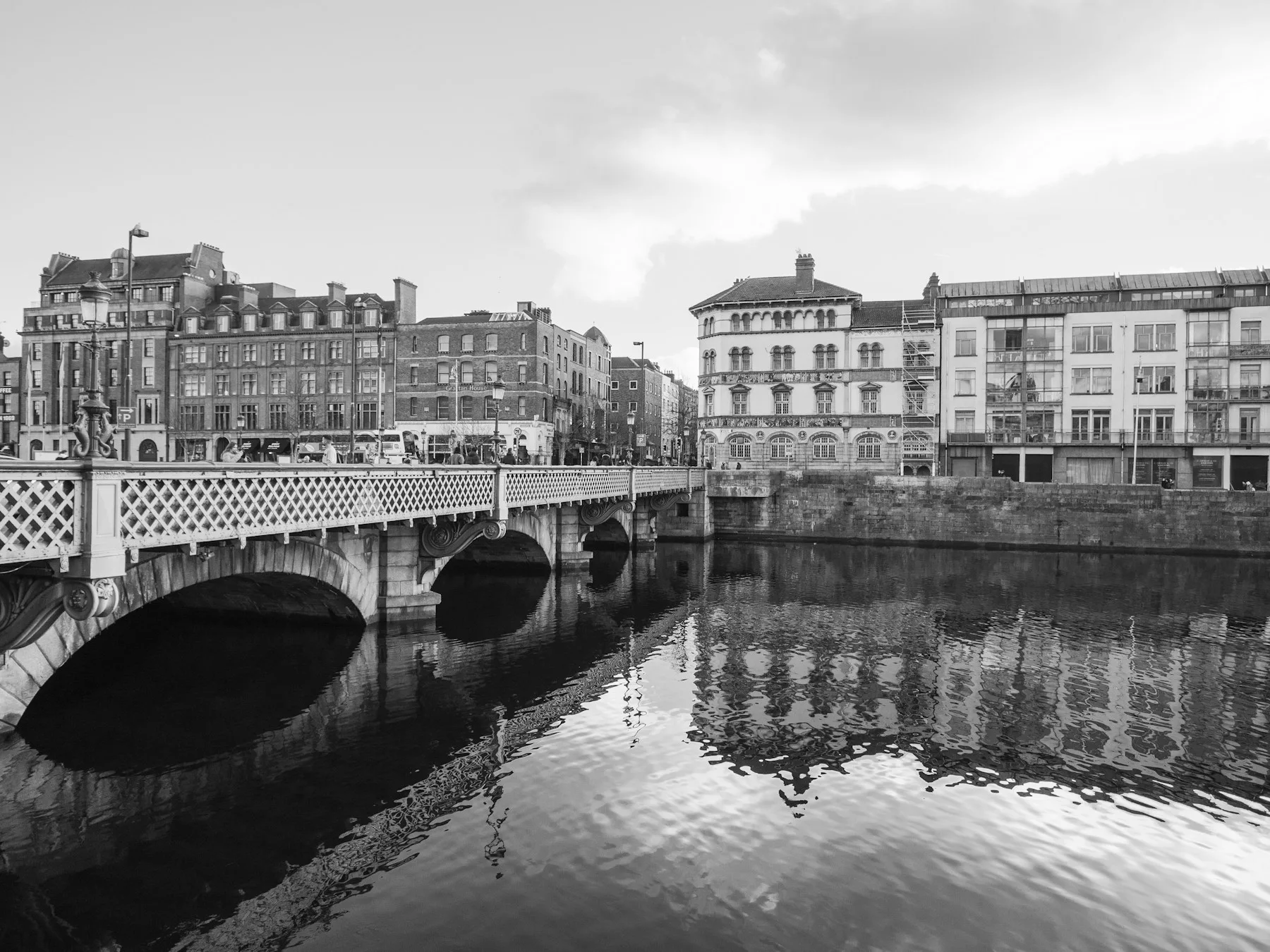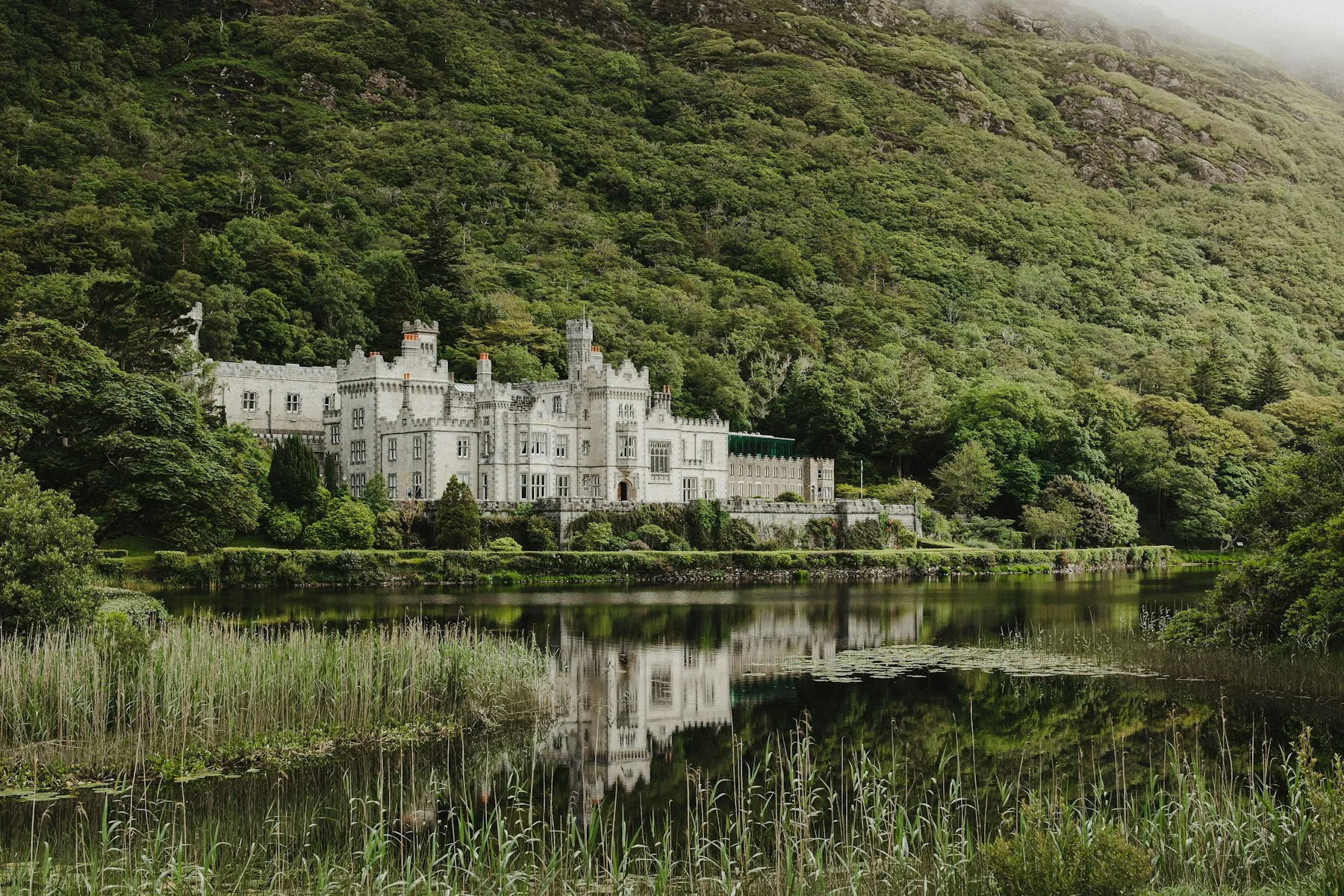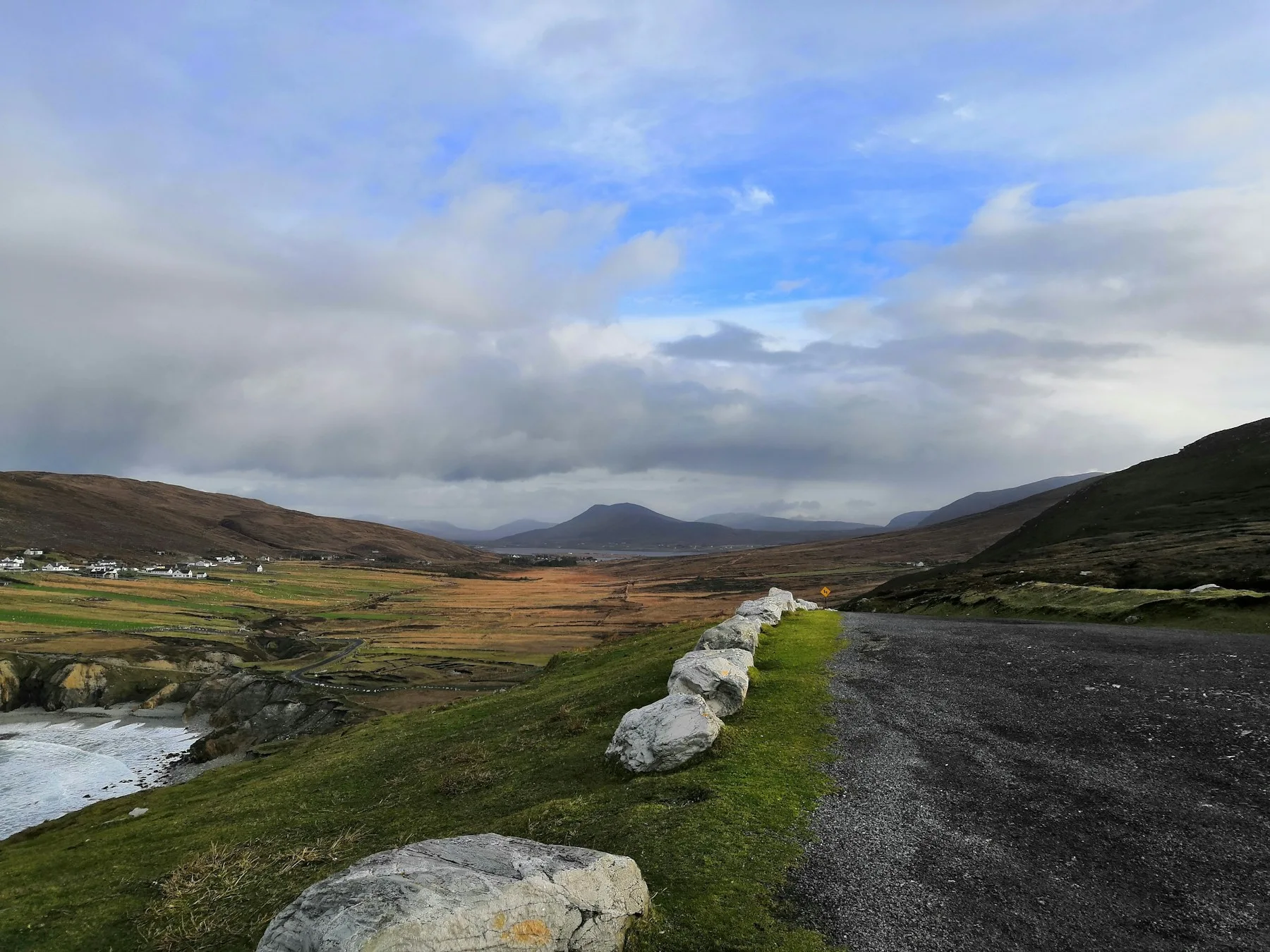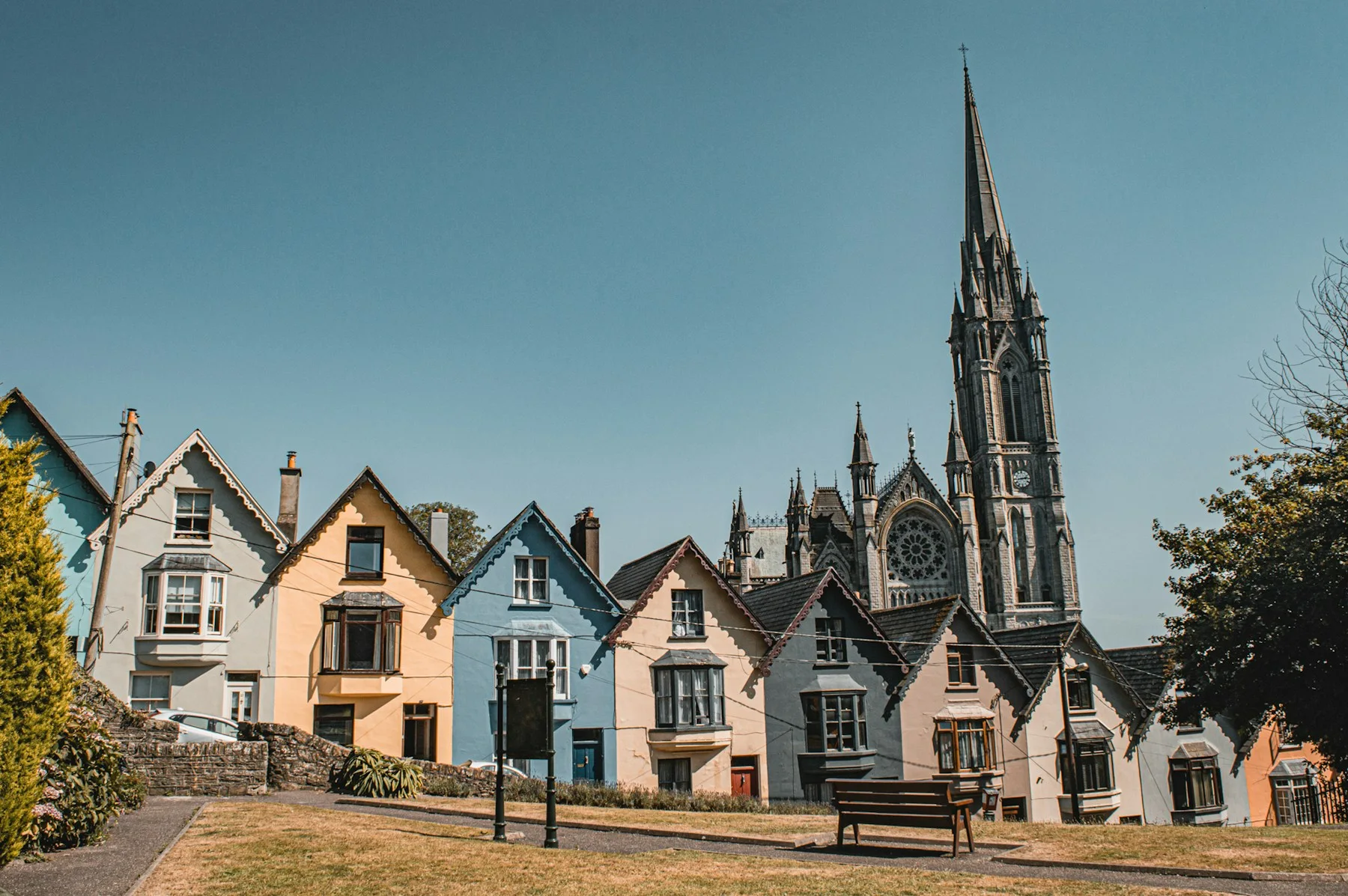
Plan Cobh as a distinct harbour visit within County Cork, with enough time for the town’s emigration and maritime history, its waterfront and the practical climb between lower streets and higher viewpoints. Decide separately whether Cork city, Cobh or another part of the county should be your overnight base. One address will not be equally convenient for every Cork experience.
A slower approach gives you room to understand what you are looking at. Choose one historical experience, leave space to walk and eat, and examine the rest of the county by area rather than trying to join every celebrated stop into one day. This guide shows how to make those choices without turning a harbour town into a brief photograph between long transfers.
Understand the difference between Cork city and County Cork
Cork can refer to the city or the wider county. Be precise when comparing accommodation, tours and restaurant suggestions. A property marketed as being in Cork may be a useful base for one region while adding substantial travel to another. Put every overnight address and important experience on the same map before deciding that they belong together.
Think of the visit in separate areas: Cork city, the harbour and Cobh, an eastern Cork stay, or a more extensive western journey. These areas can be combined in a longer trip, but each combination needs time for the change. Returning to the same room is useful only if the return does not dominate the day.
Our County Cork hub offers a starting overview. For a wider itinerary, read the ten-day Ireland planning guide before placing Cork beside several other regions. The useful question is what kind of Cork stay you want, not how many county names can appear in the itinerary.
Choose the historical story you want to explore
Cobh’s visitor experiences address related but different aspects of maritime history. The Cobh Heritage Centre presents the Queenstown Story and emigration themes. Titanic Experience Cobh is based in the former White Star Line ticket office and focuses on the Titanic connection. Consult each institution’s description before deciding which subject best matches your interests.
You may want both experiences, but similarity in the wider subject does not make them interchangeable. Consider how much detailed indoor interpretation your party enjoys, whether a guided format suits you and what remains for a later visit. A child fascinated by ships and an adult examining emigration records may want different emphasis from the same afternoon.
Historical travel also asks for emotional space. Departure, loss and migration are more than atmospheric details in a holiday photograph. Allow time to read, ask thoughtful questions and talk afterwards. If the story connects to your own family, distinguish documented evidence about that person from the broader history represented by the exhibition.
Do not assume an emigrant departed through Cobh
A family tradition that someone left Ireland is a research starting point, not proof of their departure port. Look for a passenger record, correspondence or another source that identifies the route. A visit to Cobh can illuminate emigration history even when your own ancestor’s journey began elsewhere, but explain that connection accurately to travelling companions.
If you have a relevant document, bring a readable copy and its reference rather than the only original. Record the name used, date, vessel or destination, and what remains uncertain. Ask a research service in advance whether it can answer your question. A museum admission should not be assumed to include genealogical investigation or access to every passenger record.
Read how to turn family research into a heritage trip before designing the visit around an ancestral story. If the evidence is incomplete, a well-labelled question can still give the day purpose. There is no need to convert a meaningful possibility into a confident claim in order to enjoy the town.
Plan the town’s terrain, not just its appearance
Waterfront photographs can hide the effect of slopes on a walking day. Map the actual route between your arrival point, chosen attraction, meal and any higher street or cathedral visit. Decide whether the group wants the climb, needs a different approach or would prefer to keep the outing around the lower town.
Ask individual venues about entrances, steps, seating and toilets. A town can offer an enjoyable visit without every street being appropriate for every traveller. Be specific about the walking or mobility requirements that matter to you. Someone may manage a short slope comfortably but struggle when that slope comes after several hours of standing.
For photographs, choose legal public viewpoints and keep entrances and roads clear. Do not enter a resident’s steps, doorway or garden for a familiar camera angle. If a viewpoint is busy, wait or choose another frame. A successful town visit does not depend on reproducing a particular image circulated online.
Choose your base using evenings as well as excursions
A Cork city base may suit travellers who want a wider choice of city meals and cultural outings alongside a Cobh excursion. A Cobh stay may suit someone who wants harbour time at the beginning and end of the day. Compare the complete journeys, including evening returns, rather than choosing an address solely because it is closest to one daytime attraction.
If driving, ask where you can leave the car and how far luggage must be moved. If using rail, compare the accommodation’s actual station connection and your final service home. Iarnród Éireann’s maps and linked route information are a starting point; use the current journey search for your date and direction.
A property farther into the county may be a good choice for another purpose, such as a longer rural stay, but it changes a Cobh day into an excursion. Keep that tradeoff explicit. Our transport comparison guide explains why a convenient arrival connection does not automatically solve every local journey.
Build a Cobh day with one clear anchor
Start with the booking or experience you would be disappointed to miss. Place arrival before it with a realistic margin, then locate lunch and a comfortable walk afterwards. If the main visit involves a guided start time, protect that commitment from optional morning detours. Being early in the town is more useful than arriving at the correct street under pressure.
A hypothetical day might begin with a harbour orientation, continue with the chosen historical experience and pause for lunch before deciding whether the group wants a higher-town walk. Another traveller could reverse that order to match a booking. Neither version requires a second museum, an island trip and a Cork city evening to justify spending the day here.
Check the town’s events and the timing of any large visitor arrivals if crowds affect your comfort. Do not assume the atmosphere will match an empty-street photograph. Keep enough flexibility to move a meal, linger indoors or choose a quieter public space without missing the one reservation that gives the day its shape.
Treat an island outing as its own commitment
A harbour island excursion needs a separate assessment of sailing arrangements, the time ashore, boarding requirements and the return. It is not simply another stop that can be inserted because the departure point looks nearby. Read the responsible operator’s current information before booking, including weather decisions and what happens if the sailing changes.
Ask about the entire access route from the town to the boat and around the destination. A suitable vessel does not establish that every surface, gradient or building ashore will work for your party. If someone needs to remain with the group, resolve those details before buying tickets that cannot easily be changed.
Keep the mainland day useful if the outing cannot proceed. A historical visit and lunch can remain worthwhile, but check whether they are available on the relevant day. Do not create a backup that depends on securing a popular timed ticket at the last minute. If the island is the main reason for your journey, consider giving it a less crowded day.
Give Cork city a different purpose
Combining Cork city with Cobh works better when each has a clear role. For example, Cobh might provide the harbour-history day, while the city supplies a market-oriented morning, an art visit or an evening meal. Choose the city activity according to your interests rather than repeating another lengthy historical interior simply because it appears on a nearby list.
Food-focused travellers can investigate opening patterns, reservations and the distinction between shopping for produce and sitting down to a meal. A market visit and a restaurant booking serve different needs. Our food-focused Ireland guide helps you build a day around meals without making every journey revolve around eating.
If your time is limited, decide which city experience you would actually miss and protect it. It can be better to enjoy Cobh carefully and leave Cork city for the following morning than to interrupt the harbour day repeatedly to reach a series of unrelated reservations. A good combination has a natural transition rather than an endless list.
Use an extra night to reduce movement
Consider two travellers spending three nights in the Cork area. In a hypothetical plan, the first afternoon is for arrival and a simple local meal. The first full day is a Cobh outing built around one maritime experience. The second full day stays focused on Cork city or one other county area, depending on what the travellers most want.
The extra night gives each day a different character without another accommodation move. It also creates a place for a weather change or an unexpectedly absorbing visit. If they want an extensive western Cork stay, they reassess the base and add time rather than expecting the same three-night arrangement to cover the entire county equally well.
Before booking, compare a version with fewer stops. Note what becomes easier: luggage handling, breakfast, the return after dinner or the opportunity to revisit somewhere you liked. This makes the value of a longer stay visible. More nights should provide more usable experience, not merely more hours spent repeating the same road.
Keep practical checks specific to your visit
Verify admission arrangements, current opening, parking or public transport, meal options and cancellation terms directly. A general county guide cannot settle a particular date. Save confirmations in one place and label anything that is still only an idea. Share the current plan with everyone responsible for a booking or transfer.
For a family visit, agree how long to spend on serious historical interpretation before changing activity. Younger visitors may engage best with one person’s documented story or one question about the harbour. They do not need to absorb every exhibition label. Leave room to discuss what they noticed, and allow adults to return separately if that suits the party.
If a weather or transport change removes the original plan, keep the historical purpose while changing its form. A shorter waterfront visit, one indoor experience and a meal may still offer a strong introduction. The aim is a day you understand and enjoy, rather than a checklist completed despite everyone being tired or uncomfortable.
Ask better questions when comparing guided visits
If you want a guide, describe the subject you care about and the walking you can comfortably manage. Ask whether the proposed visit includes admission, a booked entry or interpretation only. A walking tour and an indoor exhibition can complement one another, but a combined description should state who makes each reservation and what happens if the timing changes.
For family-history interests, give the guide a narrow summary rather than a large collection of private documents. A guide may provide local context without offering genealogy research. Ask which service is actually included. This avoids expecting a spontaneous discovery that would require archival work, identification checks or advance permission from a record holder.
For a group, agree on the meeting point, end point and a way to finish early if somebody becomes tired. Check whether there is an alternative to a steep section and whether a person who skips it can rejoin easily. An appealing route is useful only when its practical demands are understood before the group starts moving.
Keep the guide’s confirmation alongside your other arrangements. Record contact details, the agreed topic, access requirements and any separately purchased admissions. If the advertised route changes, ask how the replacement still meets your main purpose. Clarity about the experience is more valuable than a promise to see every named sight.
Start your Cork and Cobh itinerary
Open the Irish.org trip planner and give Cobh its own day notes. Record your chosen historical focus, how you will reach the town, the walking requirements and the booking that still needs confirmation. Add Cork city or another county area only after checking that the combination leaves time to experience each place.
Sources & review notes
Source access: 26 October 2026. Human editorial review: pending. Recheck schedules, access, policies and costs directly before booking.
- Cobh Heritage Centre · Queenstown Story and emigration interpretation Recheck before travel
- Titanic Experience Cobh · Titanic visitor experience and former White Star Line building Recheck before travel
- Iarnród Éireann · Rail planning resources Recheck before travel
A journey that feels like you.
Keep the places that matter, leave time to explore, and build your own Ireland plan.
Start your trip plan