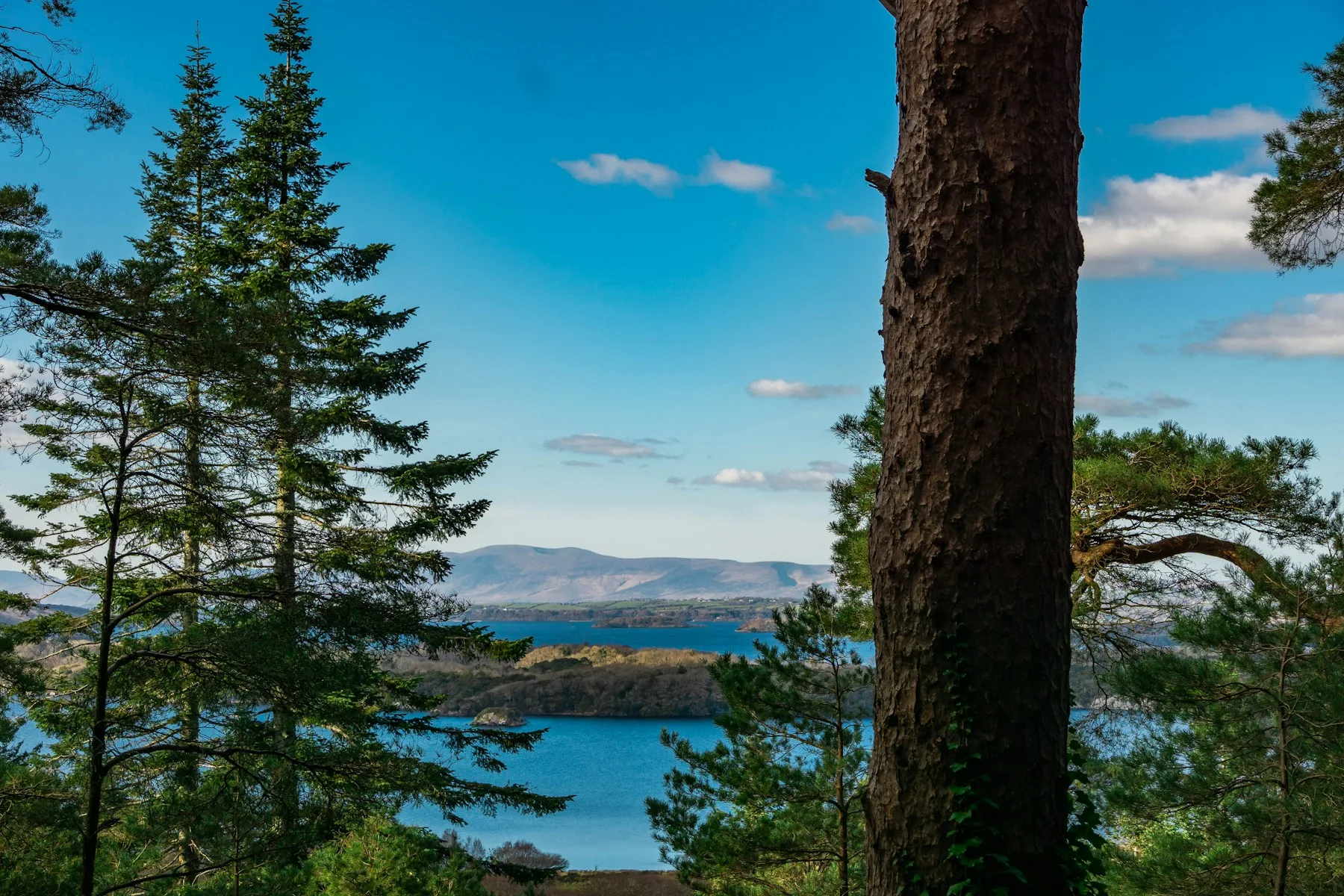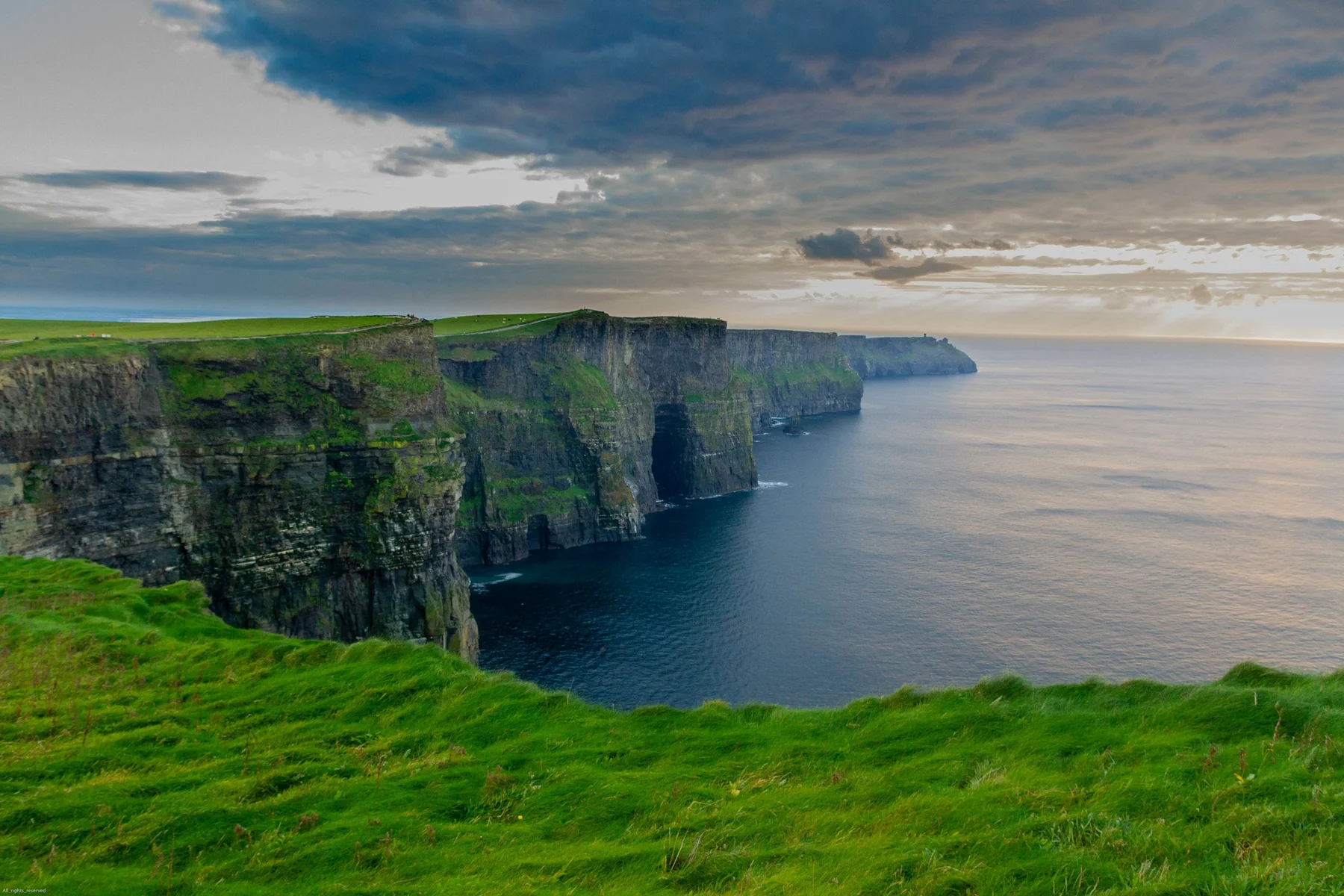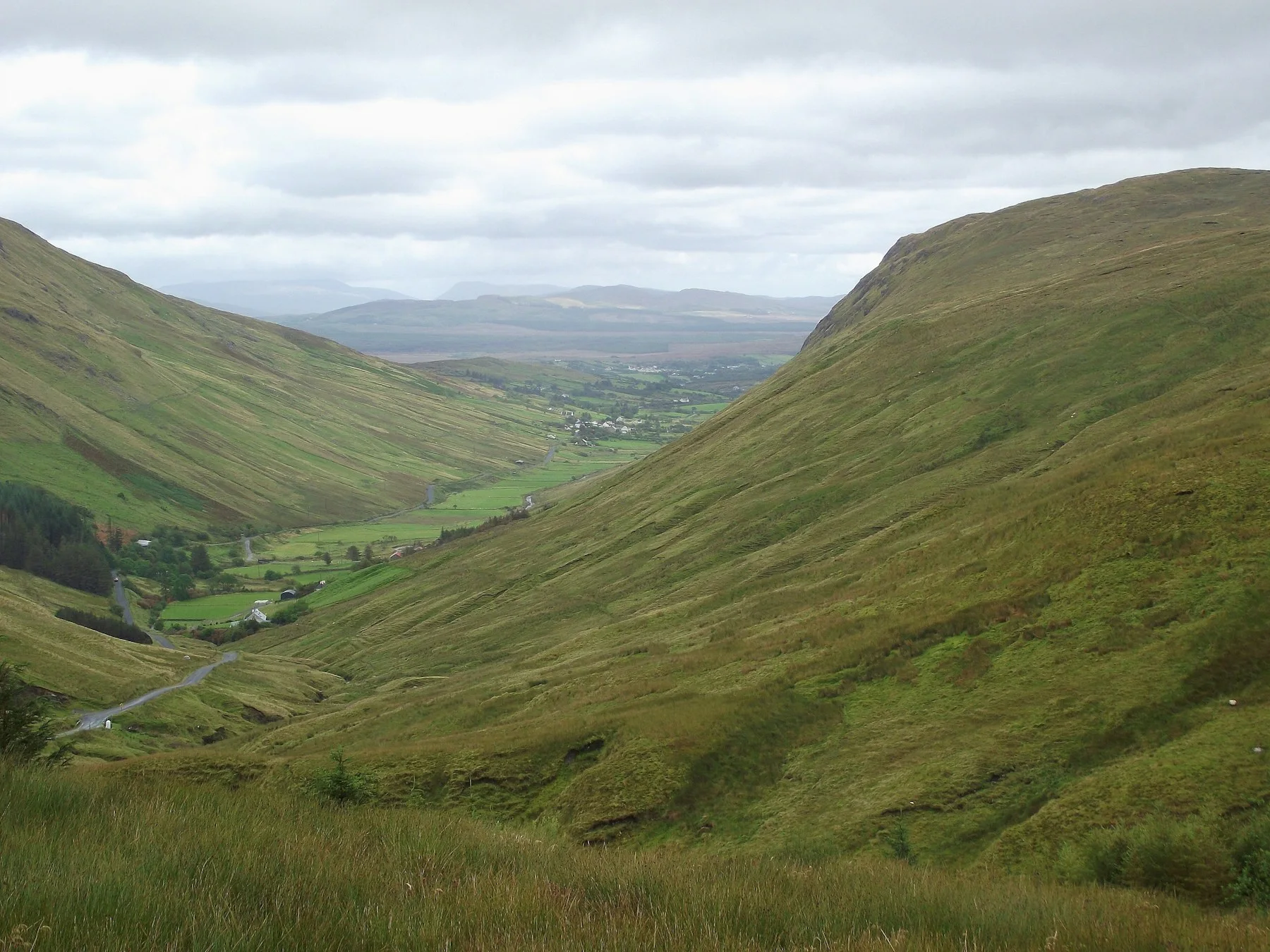
Plan a scenic Donegal trip by choosing a smaller part of the county, staying long enough to explore it and leaving room for weather and local interests. A journey built around the southwest, the northwest or Inishowen will usually give you more usable time than repeatedly crossing between distant highlights. Choose the places that matter most before deciding how much road to cover.
Donegal’s appeal can tempt you into a very ambitious map. A photograph of a beach, a mountain, a headland and a castle may suggest four brief stops, while the actual day includes winding roads, parking, walking and the return to your accommodation. This guide helps you turn a collection of scenic ideas into a trip with a comfortable rhythm.
Start with one area rather than the whole outline
Group your ideas geographically. You might focus on the southwest around a chosen coastal base, make Glenveagh and part of the northwest your priority, or spend your time in Inishowen. These are planning areas, not rigid boundaries. Their purpose is to reveal how often your preferred experiences require you to leave one part of the county for another.
Give each proposed place a reason. Do you want a short public viewpoint, a guided cultural visit, a particular walk, a meal or time on a beach? Different reasons create different time commitments. A place becomes easier to assess when you describe what you intend to do rather than copying its name from a list.
The Donegal destination hub offers an overview to build from. If the county forms part of a longer route, use our two-week itinerary guide to protect enough settled time. Adding Donegal to a map is straightforward; giving it a worthwhile place in the journey requires a more deliberate choice.
Count the scenic part as time outside the car
For every major stop, allow time to arrive, park appropriately, reach the public area, look around and return. Add meals and breaks separately. If a road estimate says the journey is manageable, ask how much time remains for the experience itself. A drive with no margin may transport you through beautiful surroundings while offering little opportunity to enjoy them.
Choose a small number of longer stops instead of demanding a photograph at every signposted point. A short walk followed by time to sit can reveal more than several hurried car-park visits. Keep some locations as optional possibilities that you will choose only if the day is progressing comfortably.
Use a turnaround decision for an out-and-back outing. Agree that if conditions, energy or time change, you will return after the main stop rather than continuing to every optional location. Write the return journey into the plan. This helps the person driving avoid feeling responsible for completing an unrealistic list.
Choose a base that supports your quiet days
Map your main outings against the actual accommodation address. Check whether you can obtain dinner nearby, where you can leave the car and what another traveller could do if they wanted to stay behind. A room with a dramatic view may suit a restful stay, but a remote address can create additional journeys for basic needs.
Ask about the particular room, arrival arrangements and any access requirements. If you plan several nights, consider laundry, drying wet clothing, comfortable seating and breakfast timing as well as the nightly rate. These practical details can contribute more to a relaxed trip than an additional attraction added at the planning stage.
For mixed-age groups, review the base with everyone. Some people may want a long outdoor day while others prefer a village visit or a rest. Our multigenerational holiday guide explains how to make different preferences compatible without expecting the whole group to choose the same activity every day.
Plan a Sliabh Liag visit with current local guidance
Sliabh Liag, also called Slieve League, is a major southwestern coastal landmark. Go Visit Donegal’s visitor information points readers towards practical guidance and the responsible local website. Check current access arrangements and conditions before travelling. Avoid assuming that an older description of parking or walking access remains valid for your date.
Distinguish a viewing-area visit from a more demanding coastal or mountain route. They are not interchangeable activities. Choose according to the ability, preparation and comfort of the party, and follow current signs and responsible guidance. A dramatic photograph does not establish that the route used to take it is suitable for an ordinary sightseeing stop.
Leave the remainder of the day modest. If this is your main outdoor experience, allow it the attention and flexibility it deserves. A meal and a nearby cultural or town visit may be a better companion than another distant headland. If conditions are unsuitable, change the plan instead of trying to justify the journey by continuing regardless.
Give Glenveagh a visit with a clear purpose
The Glenveagh National Park website provides information about the park, visitor facilities and current opening notices. Decide whether your main interest is the landscape, walking, gardens or a building visit, then check how the relevant part of the experience operates. Park access and access to particular facilities can have different arrangements.
Plan movement within the visit as carefully as the drive to it. Ask about the route from the arrival point, available transport, walking surfaces and how long your party wants to spend outdoors. Check these details directly when access needs are important. A general statement that a national park is open does not confirm every individual service.
Do not automatically combine Glenveagh with a long list of distant coastal locations. It can provide the main anchor for a day, with a shorter nearby stop or an unhurried meal afterwards. If you find yourself shortening the park visit solely to complete another name on the map, reconsider which experience you value more.
Allow Inishowen to be a region, not a detour
If Inishowen is important to your trip, identify what draws you there and compare a local stay with a long return to another base. A peninsula outline can hide the time needed to move between particular points. Choose a coherent section, a main activity and a comfortable place to pause rather than assuming the whole circuit is one undifferentiated scenic drive.
A day can be worthwhile without reaching every extremity. Consider whether you want time with a craft maker, a historical site, a coastal view or a town. Check individual visitor arrangements before setting out, particularly for a small business or seasonal service. Do not arrive expecting a person to interrupt work because a listing appeared in a travel guide.
If you are combining Inishowen with a visit across the border, assess that part of the route separately. Confirm rental permissions, transport connections and any entry requirements that apply to your nationality and journey. Keep the travel plan precise rather than assuming that a short distance on the map settles the practical arrangements.
Keep beaches and exposed places within your abilities
A beach can serve different purposes: looking at the coast, a short walk, a picnic or an organised activity. Decide which you intend. Do not infer water safety or suitability for swimming from appearance, a photograph or the presence of other people. Follow local information and the guidance of the responsible activity provider.
For an exposed walk, examine the actual route, weather, daylight and the group’s preparation. A scenic trail is not a substitute for a route assessment. If you are unsure, choose an appropriate public viewing location or seek qualified local advice. A shorter outing that suits the conditions can still give the day a strong sense of place.
Carry out your litter, respect livestock and follow access signs. Do not park across gateways or pull into an unsuitable roadside space to take a photograph. If a stopping point is full, move on and choose another option. The convenience of a visitor is not more important than a resident’s access or a road’s safe use.
Make room for culture alongside the landscape
A scenic trip gains depth when it includes people, language and local work. Investigate a public cultural venue, a craft business, a museum or a performance that relates to your interests. Book or enquire where required. A workshop may be a working space, and the visitor experience advertised for one day should not be assumed available at any hour.
In an Irish-speaking area, approach the language as part of living community life. Follow local names and signs with curiosity, ask politely when you do not understand and avoid treating a brief conversation as a performance owed to visitors. You can enjoy learning a place name without making exaggerated claims about having discovered an untouched community.
For an evening involving music, read our guide to traditional music and pub culture. Check the particular event or venue and plan the return to your accommodation. The atmosphere you want may depend more on how you listen and the time you allow than on the number of pubs you visit.
A hypothetical five-night Donegal stay
Imagine travellers who choose one southwestern base for five nights. Their arrival afternoon is deliberately light. One full day has the Sliabh Liag area as its main purpose, another explores a smaller coastal area and a third focuses on a cultural interest or a different local outing. One day remains flexible for weather, rest or an experience discovered after arrival.
They do not add Glenveagh and Inishowen merely because those places also interest them. Instead, they compare a longer trip or a separate northern base. If they decide to split the stay, they allow the move to consume real time and reduce the activities on that day. The additional address must create useful settled time rather than simply another checkout.
This example is a planning framework, not a tour schedule. Your actual base, arrival point, dates and transport may produce a different pattern. Use the framework to ask whether your plan has enough time for the things you value. If it contains no flexible periods, remove an outing before the reservations make changing it difficult.
Prepare a practical weather alternative
Choose a backup that is genuinely available and comfortable on your date. A public indoor visit, a longer lunch or a local shopping and café afternoon can be useful, but check opening and access first. A closed museum is not a backup merely because its name has been written under rainy day.
When booking an outdoor activity, read its weather and cancellation arrangements. Ask who decides whether it operates, how you will be notified and what your options are if the decision comes close to departure. Keep a clear distinction between an operator cancelling and your party choosing not to go, since the terms may treat those circumstances differently.
Agree when the group will decide. Check current information before leaving the base rather than repeatedly debating the plan while already travelling. Update everyone who is affected and keep the day’s smaller pleasures available. A changed route can still be a good Donegal day when it is chosen thoughtfully.
Plan the arrival and departure before adding another excursion
A Donegal stay begins before you reach the county. Examine the complete approach from your previous base or arrival airport, including rest after a flight, luggage, vehicle collection and a meal. If the journey is substantial, make arrival the main task of that day. A flexible stop may fit; an essential timed attraction adds a different level of pressure.
Apply the same care to departure. A final night chosen for its remoteness or view may create an inconvenient early start when you need to reach a distant airport. Compare a different last-night location, a later onward journey or a simpler preceding day. Work backward from the responsible operator’s current requirements and leave a margin that fits your circumstances.
If using a rental car or a private driving service, discuss the full route before agreeing the arrangement. Confirm return location, any cross-border element and who is responsible for delays or changes. Keep these confirmations with the itinerary rather than relying on a verbal assumption that the entire island is covered in the same way.
Then review the first and last evenings. Knowing where you can obtain food and how you will reach the accommodation can make a long travel day much easier. Those practical details are part of a scenic holiday too, because they protect the energy and attention you want to bring to the landscape on the following morning.
Build a Donegal itinerary with space in it
Start in the Irish.org trip planner with your chosen Donegal area and actual overnight base. Give each day one main reason, a return journey and a shorter alternative. Keep another region for a longer visit if including it would turn this one into a series of hurried arrivals and departures.
Sources & review notes
Source access: 26 October 2026. Human editorial review: pending. Recheck schedules, access, policies and costs directly before booking.
- Go Visit Donegal / Donegal Tourism · Sliabh Liag location and visitor guidance resources; superlative in URL not adopted as editorial fact Recheck before travel
- National Parks and Wildlife Service · Glenveagh visitor information and distinct facility notices Recheck before travel
- Go Visit Donegal / Donegal Tourism · Southwestern Donegal geographic and route context Recheck before travel
A journey that feels like you.
Keep the places that matter, leave time to explore, and build your own Ireland plan.
Start your trip plan