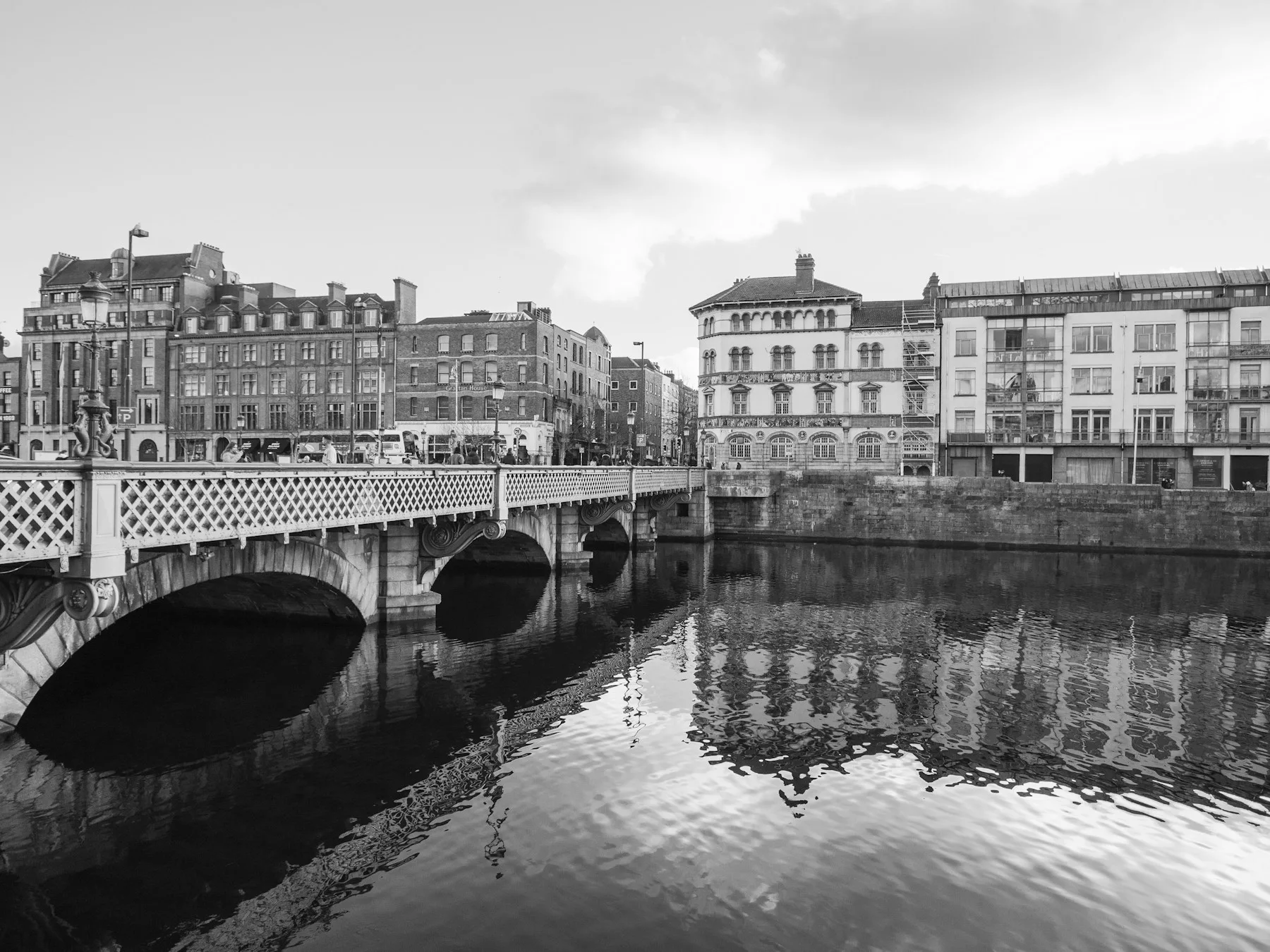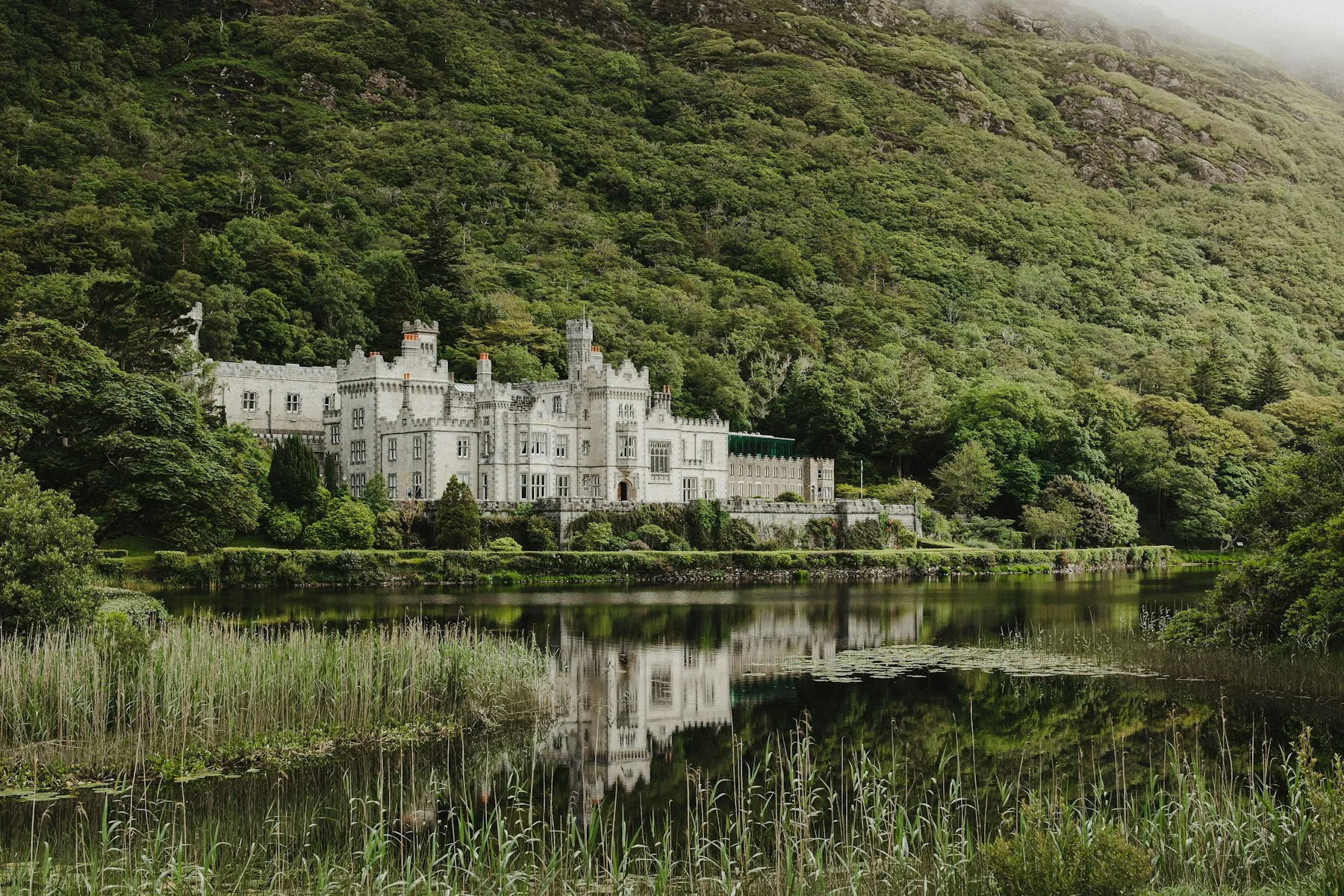
Plan Belfast and County Antrim as two related parts of a trip: a city stay with its own interests, and a coastal or regional visit with enough time for the journey. Choose whether to return to Belfast after an outing or move to a coastal base according to your main activities. A road connecting the places does not make them one interchangeable sightseeing area.
Northern Ireland is part of the United Kingdom. If your wider holiday also includes the Republic of Ireland, check the practical arrangements for both jurisdictions before booking. This guide focuses on creating a comfortable city-and-coast visit, with clear decisions about bases, transport, interpretation and the time you want outside the vehicle.
Give Belfast a purpose beyond being the starting point
Choose the subjects that interest you in the city. Maritime history, museums, food, architecture, arts and contemporary history can lead to different days. Put one main interest at the centre of each full day, then choose nearby activities that complement it. The aim is to experience Belfast rather than treat its streets as the transfer between a hotel and a coastal coach.
Visit Belfast’s official visitor information provides an overview of city experiences and planning resources. Use it to establish possibilities, then verify a specific venue’s current programme and visitor arrangements. A city guide can orient you, but it cannot confirm that a performance, tour or exhibition is available on the date you intend to visit.
The Belfast hub and County Antrim hub can help you separate the two parts of the stay. Make that separation on your own map too. It becomes easier to decide whether you need several city nights, a regional base or a deliberately limited excursion.
Count the usable days before choosing the coast
Start with your arrival and departure arrangements. A three-night city stay may provide only two complete days. If one of those becomes a long coastal excursion, only one remains for the city. That may suit your interests, but it should be a deliberate decision rather than a surprise after you have paid for several reservations.
For a more extensive city-and-coast visit, compare adding nights with reducing the geographical reach. Our ten-day itinerary guide helps you evaluate these tradeoffs within a wider holiday. A national route should contain enough time for each region’s actual purpose, not just an overnight that lets its name appear in the itinerary.
Keep the travel to your next base visible. A coastal final night may provide a pleasant evening while making a distant onward connection more difficult. Work backward from your confirmed departure and compare the whole final morning. Choosing a different last-night address can sometimes protect more usable time than adding another activity.
Choose your Belfast accommodation by the real journeys
Map the places you expect to use during the day and after dinner. A room close to one major attraction may not be the most convenient for your other interests. Compare walking routes, public transport, luggage handling and the return in poor weather. Ask about the specific entrance and room arrangements when access requirements matter.
If you have a rental car, check parking, unloading and how you will reach the building. If you arrive by rail, coach or air, examine the final connection to the room. A place can be well connected in general while requiring an inconvenient transfer for your particular arrival time or the size of your party.
For families and friends, consider independence. Can one person return early while others stay for a meal or performance? Is there a clear place to meet if the group separates? A base that supports those small choices may make the stay more comfortable than a larger room with a journey nobody wants to repeat.
Plan a Titanic Quarter visit around what you want to learn
Titanic Belfast interprets the ship’s development, construction and story at the historic shipbuilding location. Its own site distinguishes different experiences and provides opening, ticket, facilities and access information. Review those details to choose the visit you want rather than assuming every product described as a Titanic tour contains the same components.
Protect enough time for the selected experience and its immediate surroundings. Check the correct entrance, any timed admission, luggage restrictions and how the party will reach the site. Avoid an inflexible reservation immediately afterwards. The time spent reading, resting and discussing what you have seen belongs in the visit as much as the time spent moving through galleries.
If maritime history is important to a wider Irish journey, compare this visit with Cobh’s harbour and emigration experiences. They address different places and historical perspectives. You can visit both meaningfully when the trip gives each a clear role, rather than expecting one attraction to replace the other.
Approach contemporary history with care
When considering a history-focused neighbourhood or political tour, read the description closely. Ask what period it covers, what perspective the guide will explain and how the visit is structured. Look for an approach that identifies sources and distinguishes interpretation from established fact. A forceful story is not automatically a complete account.
Respect the fact that the places discussed are also present-day communities. Do not treat residents as attractions or ask strangers to explain personal experiences. Follow the guide’s practical instructions about photography and appropriate behaviour, and ask permission before photographing identifiable people. A thoughtful visit should leave room for complexity and questions.
For younger travellers, consider what level of detail is suitable and how you will talk about it afterwards. A general family history can require context that a child does not yet have. Choose a tour or museum resource that fits the group rather than assuming the subject will be handled in the same way by every provider.
Choose a coastal day with one main anchor
Decide which coastal experience would make the journey worthwhile. It might be the Giant’s Causeway, a particular historic site, a town, or a selected stretch of coastline. Build the day around that choice and examine how much travel it requires from your actual base. Treat other stops as optional unless you have given them realistic time.
The National Trust’s Giant’s Causeway information explains visitor arrangements, access and current notices for the site. Read the details for your proposed experience, including what any booking includes. Do not infer route difficulty, facilities or suitability for your party from a landscape photograph.
A coastal day should have a way to become shorter. Choose the main stop, an appropriate meal and a return plan that does not depend on visiting every nearby location. If weather, traffic or energy changes, remove the least important optional stop. A strong day can contain fewer places while providing more time to understand them.
Compare a Belfast return with a coastal overnight
Returning to Belfast can be useful if you want another city evening, have a short stay or prefer to avoid moving accommodation. A coastal overnight may be worth considering when several priorities lie in the region and you want a different rhythm. Compare the complete patterns instead of judging only the distance to one attraction.
A hypothetical five-night visit could spend three nights in Belfast and two near the coast. The transfer day stays light, with luggage and check-in counted as part of it. Another traveller might keep all five nights in Belfast and take one focused regional outing, using the remaining time for city interests and rest.
Neither version is a booking-ready recommendation. The actual room addresses, transport and dates must justify the choice. If a move produces only one rushed evening and an early departure, its benefit may be small. If it removes several repeated journeys and supports meaningful local time, it may improve the stay considerably.
Investigate public transport and organised outings separately
Translink is the starting resource for public-transport planning in Northern Ireland. Check the exact stops, connections, date and return journey. A service reaching a town does not automatically take you to an attraction’s entrance, and a useful outward connection is incomplete without a workable way home.
An organised excursion can simplify some arrangements while committing you to its route and pace. Ask about time at the main attraction, the number of stops, admission arrangements and access requirements. Compare those details with the experience you want. A longer attraction list can mean less time at the place that matters most to you.
Private driving has its own scope questions. Confirm vehicle, luggage space, hours, guiding and cross-border arrangements where relevant. Our driver-guide selection guide offers a checklist for comparing services without assuming that a private vehicle brings unlimited flexibility or guarantees attraction availability.
Check cross-border arrangements before committing
If travelling between the Republic of Ireland and Northern Ireland, check the current entry requirements for your nationality, status and route using the responsible authorities. The UK government’s entry checker is an official starting point for the UK portion. Do not assume that permission or documentation for one jurisdiction automatically answers the question for the other.
For a rental vehicle, obtain written confirmation of the route you intend to drive, permitted border travel, insurance and return arrangements. For a private service, establish which operator provides each part. For public transport, verify the complete connection and booking conditions. Keep these confirmations with your trip documents instead of relying on a general statement that travel is straightforward.
Keep currency assumptions clear when comparing costs from different parts of the island. Label each quote with its stated currency and record any conversion assumption separately. The Irish.org budget tool labels your figures; it does not provide a current exchange rate or silently convert one currency into another.
Leave room for weather and ordinary city time
For an exposed coastal day, identify a practical alternative and a point at which you will decide. Check current conditions and site guidance before leaving the base. A museum, a different indoor visit or a shorter town day can work well when genuinely available, but it should not depend on acquiring a scarce timed ticket at the last minute.
In Belfast, protect an unhurried meal, a browse or a performance that you actually want. These smaller experiences give a stay its character. A schedule made entirely from major attractions can leave little room to enjoy the city between them. Keep a few choices open until you know what the group has found most interesting.
Before the final evening, review the next day’s transfer and save the relevant details offline or in a shared copy. A clear departure plan lets you enjoy the evening without repeatedly checking arrangements. It also makes the itinerary useful to another traveller who may need to handle a change on the group’s behalf.
Make meals and reservations fit the day’s shape
Choose where to eat in relation to your final activity, the accommodation and the people travelling. A restaurant on the other side of the city may be worthwhile when the meal is a priority, but it introduces another journey. On a coastal outing, identify a realistic meal stop before you leave rather than assuming every small place will serve food whenever you arrive.
Keep dietary and access requirements specific. Ask the venue about the food and seating arrangement you actually need, and distinguish a menu suggestion from a confirmed reservation. For a group, agree who is booking and how changes will be communicated. This prevents several people from making overlapping arrangements for the same evening.
If an attraction package or excursion includes a meal, find out what that means: a fixed menu, a food allowance, a particular sitting or simply an opportunity to buy lunch. These details affect both cost and flexibility. Read the terms rather than inferring the arrangement from a photograph or a broad phrase such as lunch stop.
For a special evening, place it after a day with a sensible finish. Returning from the coast with a narrow margin for dinner can make both experiences feel pressured. A simpler city afternoon may be the better companion to an important meal or performance. Leave the longer regional day free from an evening deadline whenever the wider itinerary allows it.
Record what is confirmed and what can still move. A short note saying dinner reserved, museum flexible and transfer awaiting confirmation is easier to use than an attractive schedule that hides uncertainty. It also allows another member of the party to help when plans change, without having to reconstruct the booking history from separate messages.
Build your Belfast and Antrim plan
Use the Irish.org trip planner to give Belfast days and coastal days separate purposes. Add actual bases, your main booking, a shorter alternative and the cross-border questions still to confirm. Choose a route that lets both the city and the coast contribute something distinct to the journey.
Sources & review notes
Source access: 26 October 2026. Human editorial review: pending. Recheck schedules, access, policies and costs directly before booking.
- Visit Belfast · Official city orientation and visitor resources Recheck before travel
- Titanic Belfast · Maritime interpretation, experiences and current visitor information Recheck before travel
- National Trust · Giant's Causeway visitor arrangements, routes and access resources Recheck before travel
- Translink · Northern Ireland journey planning Recheck before travel
- UK Government · Official check of nationality- and route-specific UK entry requirements Recheck before travel
A journey that feels like you.
Keep the places that matter, leave time to explore, and build your own Ireland plan.
Start your trip plan