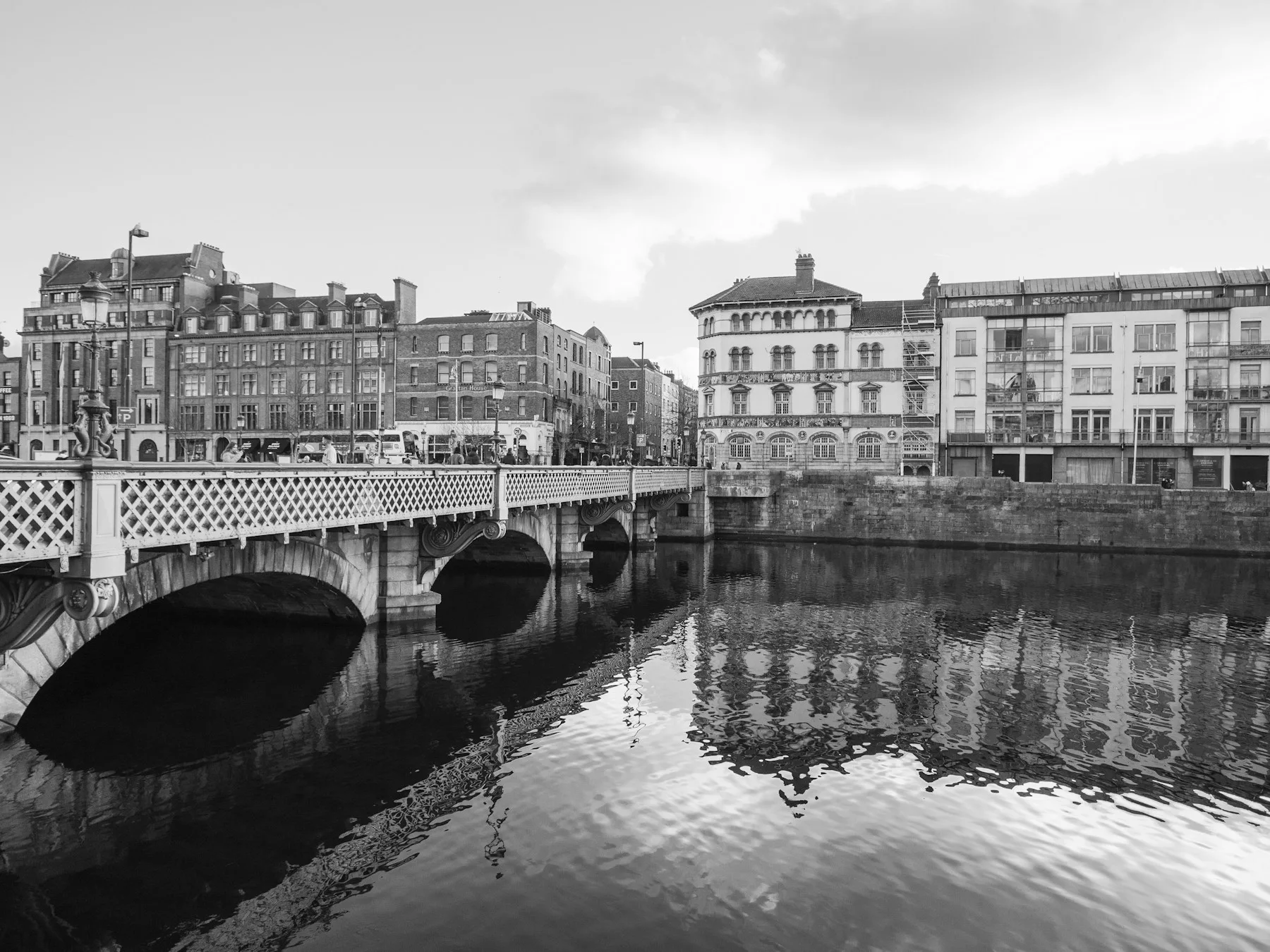
A useful ten-day Ireland itinerary usually gives you nine accommodation nights, two or three main bases, and several days when you do not move your luggage. The strongest route connects places you actually want to spend time in. It does not need to draw a complete circle around the island or collect every famous coastal stop.
The example below pairs Dublin with Galway and County Clare. It assumes arrival in Dublin on day one and departure from Shannon on day ten, subject to suitable flights and confirmed ground transport. These are planning choices, not a bookable package or a promise that a particular connection operates. If your flights use Dublin in both directions, use the alternative allocation later in the guide.
Decide what ten days means before choosing hotels
Write your actual arrival and departure dates at the top of the plan. A late arrival and an early departure leave a different usable holiday from morning arrival and evening departure, even if both reservations describe ten days. Count nights on the calendar rather than relying on the number in a tour headline. Add the journey to the airport, check-in requirements, luggage collection, and the practical business of reaching your first room.
For this outline, nights one to three are in Dublin, nights four to seven in Galway, and nights eight and nine in Clare. That is nine nights and two hotel moves. The allocation favors a settled city stay and a substantial western base over adding a fourth region. Anyone who would rather spend longer in small towns can shift a Dublin night west without changing the basic shape.
Agree two priorities per traveler before booking. Someone may care most about a museum and an evening of music; another may want an Atlantic landscape and an afternoon without a schedule. Include practical needs alongside interests. A route that satisfies four attractions but requires unwanted driving every day is not necessarily a good compromise. Our first-trip planning guide explains that initial conversation in more detail.
A ten-day Dublin, Galway and Clare outline
| Day | Main purpose | Overnight |
|---|---|---|
| 1 | Arrive, settle in and keep the evening flexible | Dublin |
| 2 | One substantial city interest and nearby exploring | Dublin |
| 3 | A contrasting city day or a modest nearby outing | Dublin |
| 4 | Move to Galway and learn the immediate neighborhood | Galway |
| 5 | Galway city, food and time on foot | Galway |
| 6 | One researched regional excursion | Galway |
| 7 | A flexible day for weather, another interest or rest | Galway |
| 8 | Move into Clare with one selected stop | County Clare |
| 9 | A coastal or cultural day suited to conditions | County Clare |
| 10 | Return transport and depart from Shannon | None |
This table identifies the job of each day, not every hour. Keep that distinction when adding attractions. If you add a ferry outing, a substantial guided visit or an archive appointment, it becomes the day’s main commitment. Do not leave the original full day underneath it. An itinerary becomes crowded through additions that never replace anything, rather than through the first draft alone.
Days one to three: use Dublin to establish your pace
On arrival, solve luggage and rest before sightseeing. Ask the accommodation about check-in and storage, then choose a nearby walk or meal you can shorten easily. Avoid making the success of the first day depend on a distant timed ticket. A tired traveler should be able to return to the room without the whole group abandoning an expensive excursion. The first evening is a good time to confirm the next day’s meeting place and breakfast arrangements.
Give day two a specific theme. For a literary traveler, that might mean one relevant collection or guided experience with enough time to read and look closely. For another person, architecture, social history or a food-focused neighborhood may be more engaging. Choose one main indoor visit, add lunch nearby, and leave the remaining walking route adjustable. Browse the Dublin destination hub to develop your interests rather than treating the city as a list to finish.
Make day three different in scale or atmosphere. If day two involved several indoor rooms, consider gardens, a waterfront area or another neighborhood, subject to the journey and conditions. A nearby outing should earn its place by offering something you cannot reasonably enjoy within the city. Check the complete return journey and the walking involved. Returning late, packing immediately and leaving early the following morning can turn an apparently gentle outing into a demanding sequence.
Day four: count the move to Galway as an activity
Choose the mode of transport around your whole western stay. A city-to-city rail journey may suit the transfer, but it does not automatically provide access to every rural excursion you later add. Equally, collecting a rental car for the whole ten days may add parking and administration when you spend your first days in Dublin. Compare the transfer and regional days together, using the operator’s current information rather than a saved journey screenshot.
Iarnród Éireann’s travel information provides route, station and ticket-planning resources. Use the actual date and inspect the arrival station, luggage arrangements and onward journey to your accommodation. If driving or using a private transfer, obtain a realistic route estimate and include breaks. Book a first Galway evening that survives a delayed arrival: a relaxed meal near the accommodation is more forgiving than another lengthy excursion.
Days five to seven: give the west several possible versions
Reserve one day for Galway itself. That gives you a useful local option if an outdoor excursion changes, and avoids the odd result of staying in a city without ever spending a day there. Choose a small number of streets, visits or food interests and allow time between them. The practical value of a central base depends on the precise accommodation location, your walking range and the activities you choose, so verify those details before paying.
For day six, choose one regional direction. A Connemara outing and an island visit are different days with different transport arrangements; do not merge them because they appear west of the same city on a map. An island plan needs the relevant sailing, port transfer and return contingency checked directly. A road excursion needs parking, driver availability and appropriate stops. Neither belongs in the itinerary simply because a photograph looks close to Galway.
Keep day seven available until you understand the forecast and your energy. This is not wasted time. It gives a weather-sensitive priority another chance, lets someone pursue a smaller interest, and protects the group if the previous day runs long. A flexible day can still have useful ideas attached: one indoor option, one outdoor option and an easy meal plan. Avoid buying inflexible tickets for every backup, which would remove the flexibility you intended to create.
The guide to using Galway as a travel base helps distinguish city stays from wider county exploration. If your interests are mostly in rural areas, a smaller western base may be more suitable. In that case, revise the route and daily transport rather than retaining a Galway label for accommodation that is actually well outside the city.
Days eight and nine: make Clare a stay, not a detour
The move into County Clare should reduce repeated travel for the experiences you value there. Decide whether you want a town with evening choices, a coastal setting or a base convenient for departure. These needs can point to different locations. Ask what the immediate area offers without another drive and whether dining arrangements suit your group. A beautiful room is less useful if every simple evening becomes a transport problem.
Choose one stop on the moving day, with a sensible alternative if it does not work. The stop should be connected to your route and leave enough time for arrival at the new base. Treat a heritage meeting as a separate appointment requiring preparation, not an impromptu activity fitted between hotels. If the central purpose of the holiday is a documented family place in Clare, give it the flexible day rather than scheduling it only during the transfer.
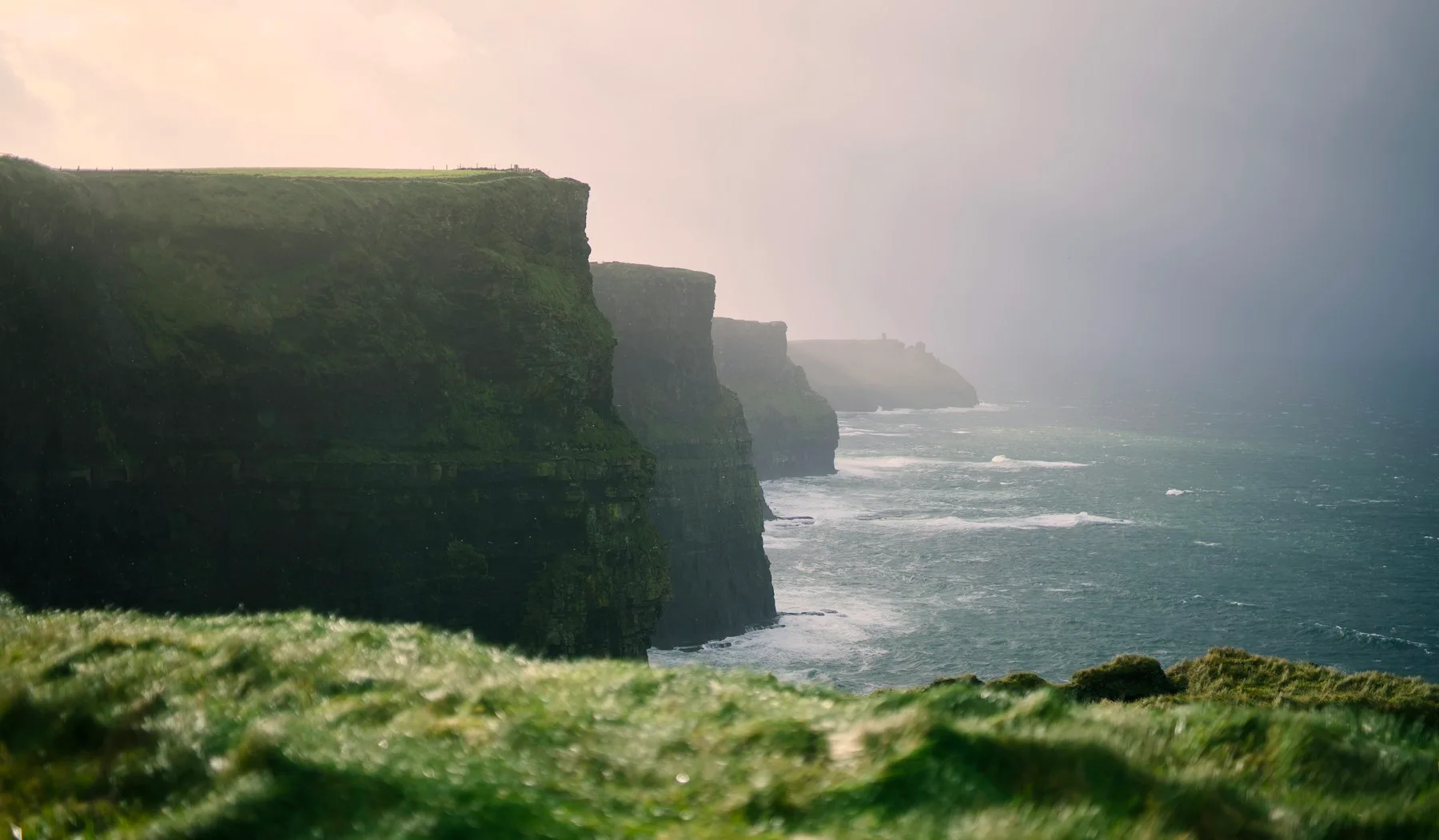
For day nine, consider coast, landscape and cultural interests as alternatives rather than obligations to combine. A prominent outdoor viewpoint can depend on weather and site access; follow current site guidance and use designated visitor routes. A quieter town day or a prearranged cultural experience may be the more rewarding choice under different conditions. The article on building a Clare visit around coast and culture develops this approach.
What changes if both flights use Dublin?
Do not pretend the western departure still applies. One option is three initial Dublin nights, four Galway nights, one Clare night and one final Dublin-area night. That fits nine nights but adds a move and leaves Clare with less settled time. For many travelers, three initial Dublin nights, five Galway nights and one final Dublin-area night will feel easier. Explore Clare through a carefully researched outing only if the complete day suits your interests and transport.
Another option is to retain two Clare nights and reduce Dublin or Galway. Make that trade explicitly. The final Dublin-area accommodation should be chosen around the actual flight time, rental return, required airport arrival and everyone’s ability to manage an early start. Do not treat a broad distance estimate as proof that a particular hotel makes departure simple. A late flight may allow another kind of final day; an early flight may not.
Test the route against money, access and energy
Price accommodation by rooms and nights, transport by its full scope, and activities by the people who will actually participate. Compare two versions of the ten-day plan in the budget calculator. One might have fewer transfers and a paid regional outing; another might use a rental car for part of the journey. Record deposits and exclusions separately from estimated spending. These comparisons are more useful than adopting a universal daily travel budget.
Check the route with the traveler who has the narrowest practical range, without assuming what that range is. Walking distances, surfaces, seating, room access, toilets and the duration of a transfer can matter in different combinations. Ask specific questions and obtain confirmation of necessary features. Keep a usable plan for someone who stays behind for an afternoon. A group can share the same holiday without sharing every single outing.
Use a small decision log while booking
Keep a record of the choices behind the route, not just the confirmations. For example: “We chose four Galway nights because we want one city day, one regional outing and one flexible day.” That sentence makes a later change easier to assess. If an important room becomes unavailable, you can look for another way to preserve those three purposes rather than starting again with a random list of towns.
Set a decision date for unresolved transport. An open question such as “perhaps hire a car” can affect parking, accommodation location and excursion choices. Identify who will investigate the options, what information you need and when you will decide. Until then, avoid buying dependent activities whose usefulness assumes a particular mode. The same method works for an unconfirmed family meeting: keep a useful independent day available so that a polite cancellation does not leave a hole in the holiday.
Turn the outline into your own ten-day journey
Before booking, write one sentence under each day: what matters most, what remains optional, and what still needs confirmation. If two activities compete for the same best part of the day, choose between them now. Check the itinerary backward from departure as well as forward from arrival. That often reveals an awkward final transfer that the attractive middle of the trip has hidden.
If you have less time, compare the seven-day itinerary; if you want an additional region, examine the tradeoffs in our two-week Ireland guide. For an interest-led journey, the coastal experiences page can help identify the kind of day you want before you select more overnight stops.
Your next step: open the Ireland trip planner, enter your ten-day window, and save the three bases you are considering. Add the unresolved flight, access and transfer questions to your notes. You will have a useful starting point when the plan shows both its priorities and its assumptions clearly.
Sources & review notes
Source access: 26 October 2026. Human editorial review: pending. Recheck schedules, access, policies and costs directly before booking.
A journey that feels like you.
Keep the places that matter, leave time to explore, and build your own Ireland plan.
Start your trip plan